
Cosmetic Fillings
A cavity does not have to mean living with a noticeable dark filling. If you need to restore a tooth affected by decay or minor damage, tooth-colored fillings can provide a practical option while maintaining a more natural-looking appearance.
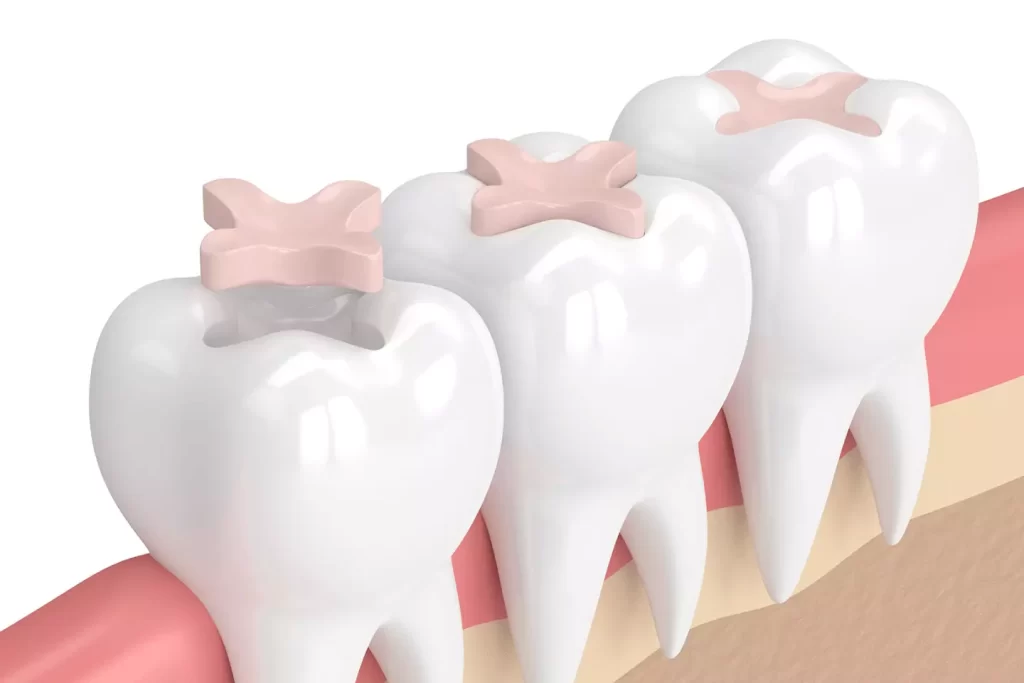
Cosmetic fillings use a composite material that can be matched to the shade of your natural teeth. The material is placed into the prepared area of the tooth and shaped to restore its form and function.
For patients considering cosmetic fillings in Manchester, Connecticut, treatment is not only about how a filling looks. Your dentist also needs to consider the health of the tooth, the location and extent of the affected area, your bite, and the amount of natural tooth structure remaining.
At Manchester Dental Arts, a dental examination can help determine whether a tooth-colored filling is appropriate for your individual needs.
What Are Tooth-Colored Fillings and How Do They Work?
Tooth-colored fillings are restorations made from a composite resin designed to blend with natural tooth structure. They can be used to restore teeth affected by cavities and, in selected situations, minor areas of damage.
Before placing a filling, your dentist examines the tooth and determines what treatment is needed. If decay is present, the affected portion of the tooth is removed before the filling material is placed.
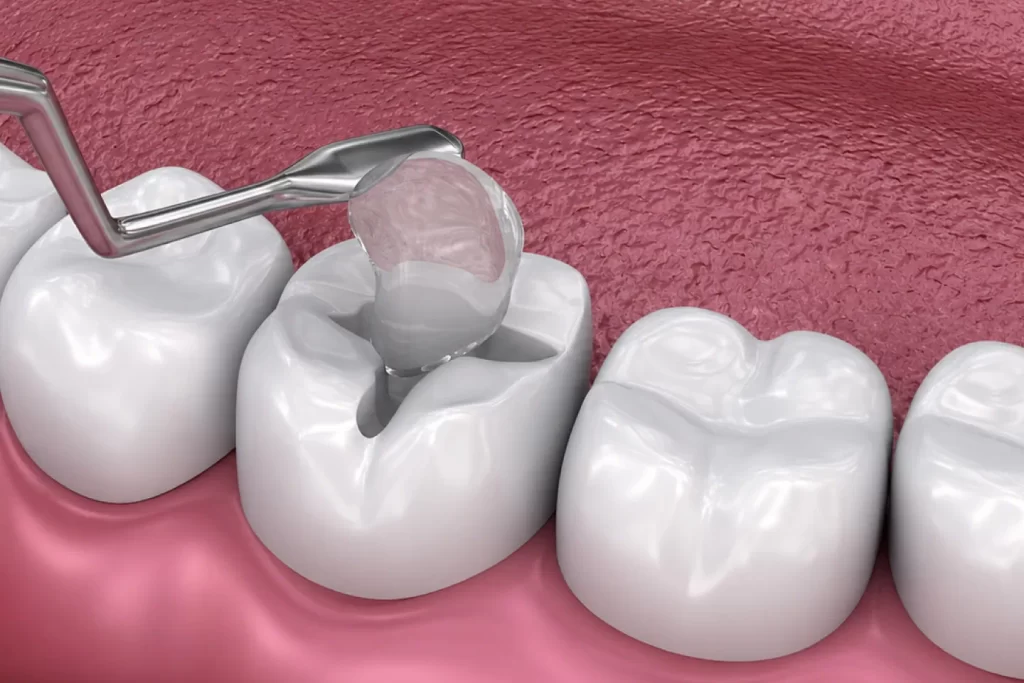
The composite material is then applied to the prepared area and shaped to fit the tooth. A curing light is used to harden the material, and the dentist can make final adjustments so the restored tooth fits comfortably with your bite.
The goal is to restore the affected area while keeping the appearance of the tooth as natural as reasonably possible.


Are Tooth-Colored Fillings Used Only for Cosmetic Reasons?
Despite the name cosmetic fillings, tooth-colored composite fillings can have a restorative purpose as well as an aesthetic one.
When a tooth has a cavity, the primary concern is addressing the affected tooth structure. Once the decay has been treated, a filling can be used to restore the area. The tooth-colored material provides an option that may blend more closely with the surrounding tooth.
This means cosmetic fillings can be relevant to patients who want their dental treatment to address both the health and appearance of a tooth.
Your dentist can explain whether a composite filling is suitable based on the condition of the tooth rather than appearance alone.
Why Choose Cosmetic Fillings in Manchester, Connecticut?
One of the main reasons patients ask about cosmetic fillings in Manchester, Connecticut, is the appearance of traditional metal-colored restorations. Tooth-colored composite fillings offer an alternative that can be selected to complement the surrounding tooth structure.
Depending on the tooth and the size of the restoration, tooth-colored fillings may help:
- Restore a tooth affected by a cavity
- Replace certain older fillings
- Repair selected areas of minor tooth damage
- Maintain a more natural-looking appearance
- Restore the shape of a tooth after decay has been removed
- Address cavities without introducing a noticeable metallic appearance
Not every filling can or should be replaced simply for cosmetic reasons. Your dentist can assess the existing restoration and tooth before recommending whether replacement is appropriate.
How Are Cosmetic Fillings Placed?
The process starts with an examination. Your dentist may use dental X-rays when appropriate to understand what is happening inside or around the tooth.
If a filling is recommended, the tooth is prepared by removing the decayed or compromised area. The surface is then prepared for the composite material.
The tooth-colored filling material is placed in layers and shaped to recreate the tooth’s contours. Each layer may be hardened using a curing light. Once the material has been built up, the dentist checks the bite and makes adjustments as needed.
The final step involves smoothing and polishing the restoration.
The exact process can vary depending on the tooth being treated, the size of the cavity, and your individual circumstances.
Schedule a Cosmetic Fillings Consultation in Manchester, Connecticut
If you have a cavity, an older visible filling, or a tooth that needs restoration, a tooth-colored filling may be an option worth discussing. The right treatment depends on the health and structure of the tooth, not simply how it looks.
At Manchester Dental Arts, you can discuss your concerns and learn whether cosmetic fillings in Manchester, Connecticut, are appropriate for your smile. If you are interested in tooth-colored fillings or would like to explore your options for restoring a damaged or decayed tooth, contact Manchester Dental Arts to schedule an appointment.
How Long Do Tooth-Colored Fillings Last?
There is no single lifespan that applies to every tooth-colored filling. How long a restoration remains in good condition can depend on several factors, including its size and location, your bite, oral hygiene, dietary habits, and normal wear.
Fillings can also become worn, chipped, stained, or develop problems over time. Regular dental examinations allow your dentist to monitor existing restorations and identify changes that may need attention.
If you already have cosmetic fillings and notice sensitivity, discomfort, a rough edge, a change in the filling, or food repeatedly catching around the area, contact your dental office for an evaluation.
Are Cosmetic Fillings Better Than Silver Fillings?
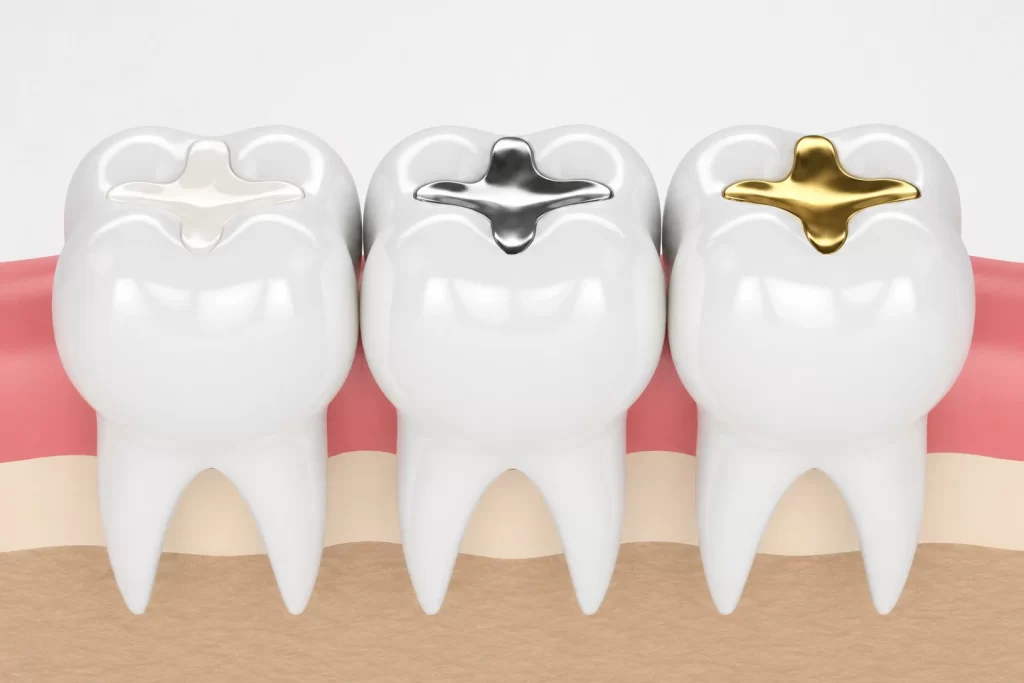
Tooth-colored composite fillings and amalgam fillings have different characteristics, and neither option is automatically right for every situation.
Composite fillings are designed to blend with natural tooth structure, making them an appealing choice when appearance is an important consideration. They can also be used for a range of small to moderate restorations, depending on the tooth.
However, factors such as the location of the cavity, the amount of tooth structure involved, moisture control, biting forces, and the overall condition of the tooth can influence which material is appropriate.
If you are thinking about replacing an existing silver-colored filling, discuss the reasons for doing so with your dentist. Replacing a sound restoration solely for appearance may not always be necessary.

Who May Benefit From Cosmetic Fillings in Manchester, Connecticut?
Tooth-colored fillings may be considered for patients who have cavities or certain areas of minor tooth damage that can be restored with composite material.
They may be particularly appealing to people who prefer a restoration that blends with their existing tooth shade.
However, a larger cavity, a significantly weakened tooth, or extensive structural damage may require another type of restoration. In some cases, a dental crown or another treatment may be considered instead.
A dental examination is the best way to determine whether cosmetic fillings in Manchester, Connecticut are suitable for the tooth in question.
How Can You Care for Tooth-Colored Fillings?
Taking care of a filling starts with looking after the natural tooth around it. Brush twice a day with fluoride toothpaste unless your dentist has advised otherwise, clean between your teeth regularly, and maintain routine dental appointments.
Try not to use your teeth to bite hard objects such as pens, ice, or packaging. These habits can put unnecessary stress on both natural teeth and restorations.
Limiting frequent exposure to sugary foods and drinks can also support good oral health. Your dentist can provide more specific recommendations based on your individual needs.
Good everyday care does not make a filling permanent, but it can help support the health of the tooth and surrounding teeth.
Frequently Asked Questions About Cosmetic Fillings
Tooth-colored cosmetic fillings are commonly made from composite resin. The material is designed to be shaped and adjusted to restore part of a tooth affected by decay or certain types of minor damage. A shade can be selected to complement the surrounding natural tooth structure. The specific material used can depend on the tooth and the treatment being provided. Your dentist can explain the material recommended for your restoration and why it may be suitable for your particular situation.
Tooth-colored fillings are designed to blend with the surrounding tooth structure. Your dentist can consider the shade and shape of the tooth when placing the composite material. The appearance can vary depending on factors such as the size and location of the restoration and the condition of the natural tooth. If appearance is important to you, mention this during your consultation so your dentist can discuss what may be achievable with cosmetic fillings in Manchester, Connecticut.
Tooth-colored fillings can be used to restore many teeth affected by cavities. Before placing the filling, the dentist removes the decayed tooth structure and prepares the area for restoration. However, not every cavity can be treated with a filling. If decay is extensive or the tooth has significant structural damage, another restorative approach may be more appropriate. Your dentist can examine the tooth and explain which treatment options are available.
In some situations, an existing metal filling may be replaced with a tooth-colored composite filling. However, replacement is not necessarily needed simply because an existing filling is visible. Your dentist can assess the condition of the filling and the underlying tooth before recommending replacement. If the restoration is damaged, worn, leaking, or otherwise requires treatment, your dentist can discuss whether a tooth-colored material would be appropriate.
Care for tooth-colored fillings involves maintaining good oral hygiene and protecting your teeth from unnecessary stress. Brush twice daily, clean between your teeth, and attend regular dental examinations. Avoid biting hard objects and using your teeth as tools. If a filling becomes rough, chipped, sensitive, or uncomfortable, arrange a dental examination rather than waiting for the problem to worsen. Your dentist can check the restoration and determine whether any treatment is needed.