
Dentures
Losing several teeth can affect more than the appearance of your smile. Missing teeth may make everyday activities such as eating and speaking feel different, and you may become more conscious of the spaces in your smile
Dentures can be one option for replacing multiple missing teeth. Depending on how many teeth need to be replaced and the condition of your remaining teeth and gums, your dentist may recommend complete dentures, partial dentures, or another tooth-replacement option.
At Manchester Dental Arts, the goal is to help you understand your options so you can make an informed decision about replacing missing teeth.
What Are Dentures and How Do They Replace Missing Teeth?
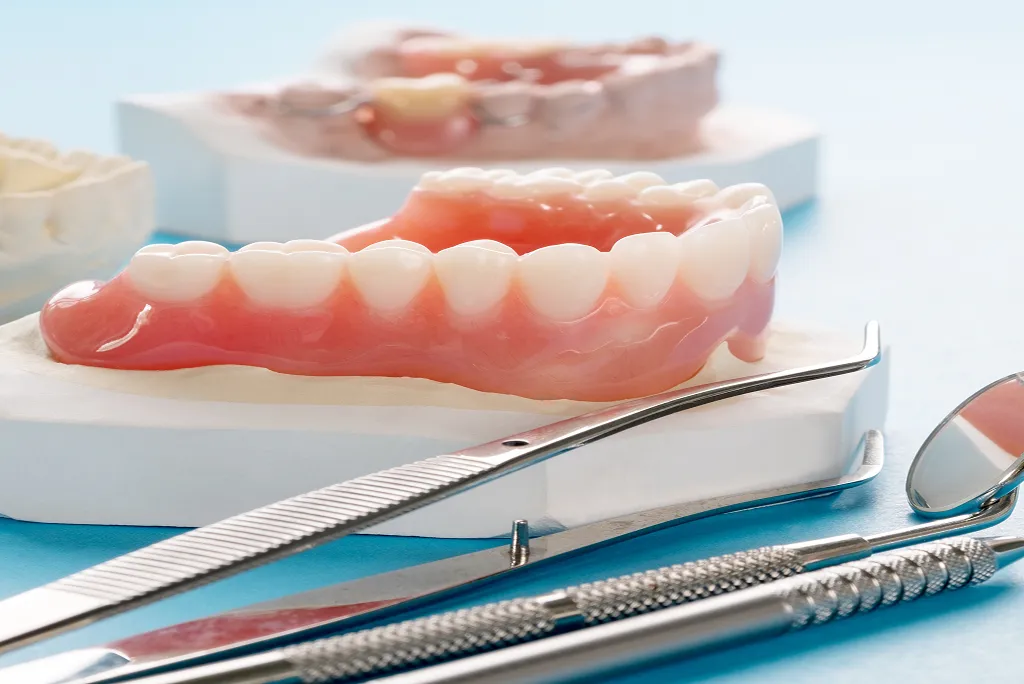
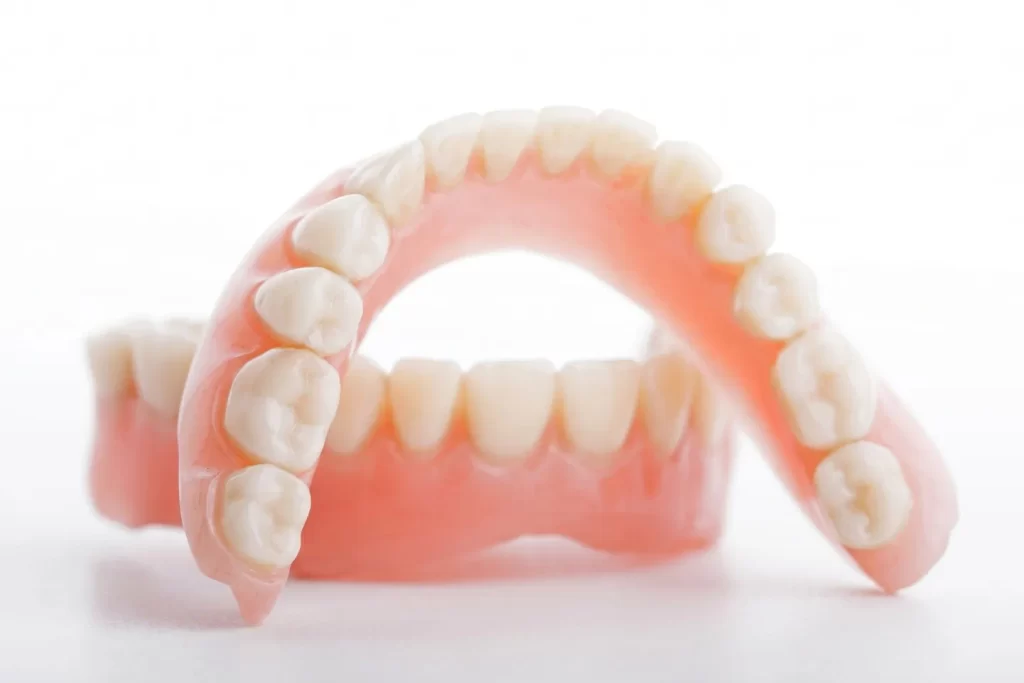
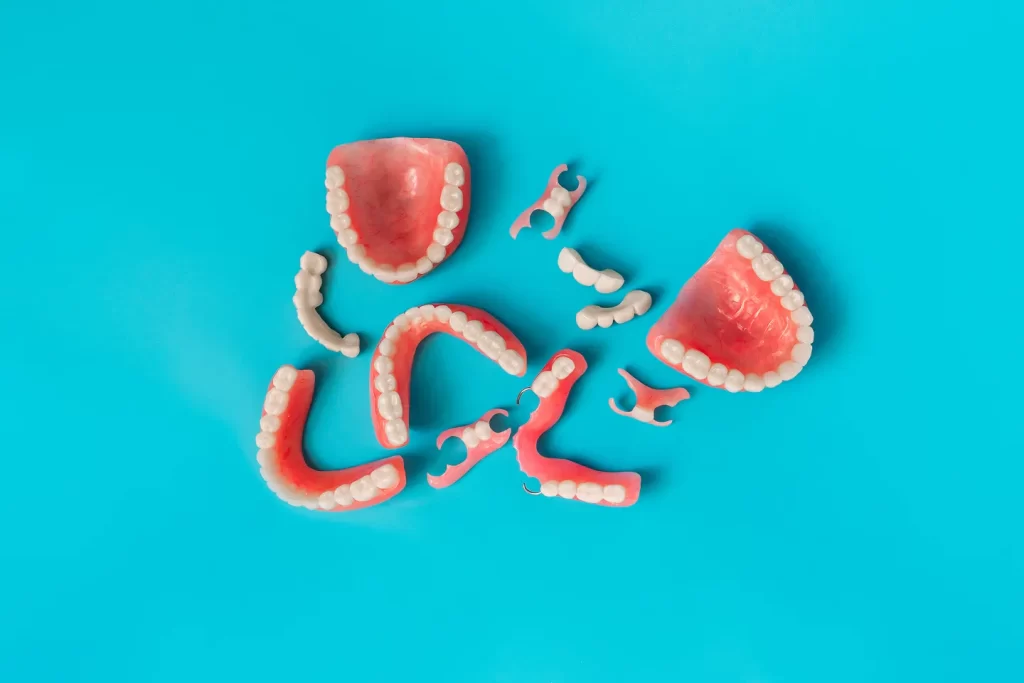
Dentures are removable dental appliances designed to replace missing teeth and some of the surrounding oral structures. They can be made to replace an entire arch of teeth or selected missing teeth when some natural teeth remain.
Depending on your circumstances, dentures in Manchester, Connecticut may include:
- Complete dentures for replacing all teeth in an upper or lower arch
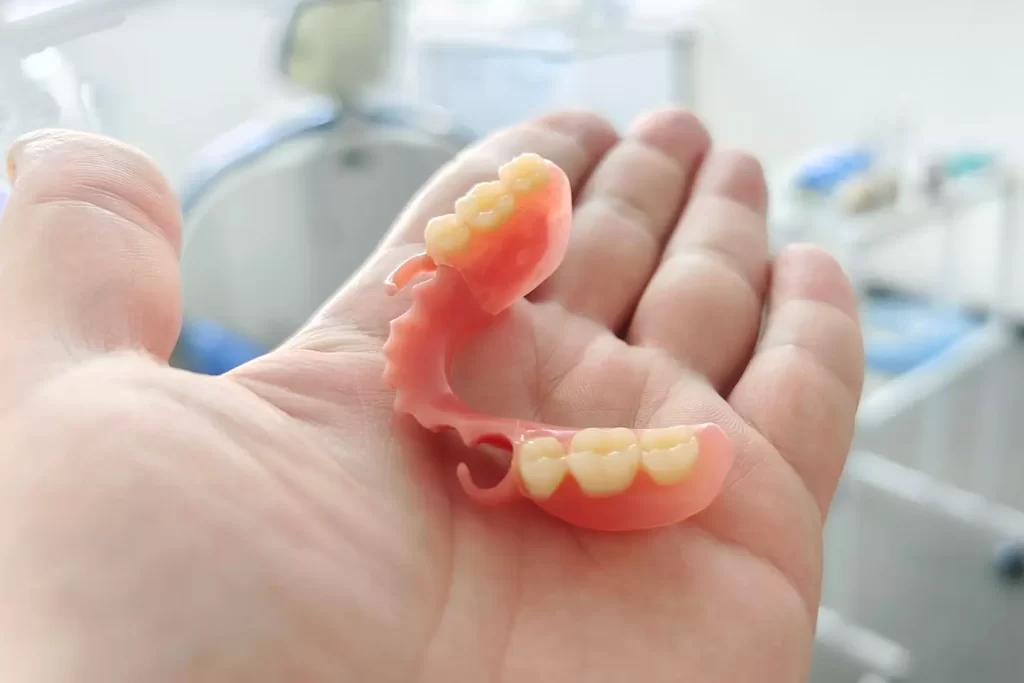
- Partial dentures for replacing several missing teeth when some natural teeth remain
- Removable dentures designed to be taken out for cleaning and maintenance
Dentures are made to fit the shape of your mouth and are designed to provide support for eating and speaking while also restoring the appearance of your smile. Your dentist can discuss the available options after examining your teeth, gums, bite, and supporting oral structures.
What Types of Dentures Are Available in Manchester, Connecticut?
There is no single type of denture that suits everyone. The appropriate option depends largely on how many teeth are missing and whether you still have healthy natural teeth that can remain.Complete dentures may be considered when all of the teeth in an upper or lower arch are missing or need to be removed.
Bonding may also be used to make slightly uneven teeth look more symmetrical. In some cases, it can improve the appearance of certain types of discoloration, although bonding does not whiten the underlying natural tooth.If you are researching dentures in Manchester, Connecticut, your dentist can explain the differences between these options and help you understand which may fit your situation.
Who May Be a Candidate for Dentures?
Dentures may be considered for adults who have lost multiple teeth or who need teeth removed because they can no longer be predictably maintained.Before recommending dentures, your dentist will consider your remaining teeth, gum health, jawbone, bite, oral habits, and overall treatment goals.
If some natural teeth can be maintained, a partial denture may be an option. If all teeth in an arch are missing or need to be removed, complete dentures may be discussed.
Your dentist may also recommend addressing active dental problems before beginning the denture process. This can help establish a healthier foundation for your new restoration.
What Is the Process for Getting Dentures?
Getting dentures in Manchester, Connecticut generally involves several steps. The process can vary depending on whether you need complete dentures, partial dentures, or another type of restoration.
Your dentist will first examine your mouth and discuss your dental history and concerns. If teeth need to be removed, the timing of extractions and denture placement will be considered as part of the treatment plan.
Once your dentures are ready, your dentist will assess their fit and make adjustments where needed. It can take some time to become accustomed to wearing a new denture, particularly when eating and speaking.Follow-up appointments may be recommended to check comfort, fit, and the condition of the tissues supporting the denture.
What Can You Expect When Wearing New Dentures?
A new denture can feel unfamiliar at first. Your mouth needs time to adjust to having a removable appliance in place, and activities such as speaking and eating may feel different during the adjustment period.
Some people find that starting with softer foods and smaller bites makes the transition easier. Speaking out loud can also help you become more comfortable with the new appliance.
Your dentist can provide specific guidance based on your denture and individual circumstances.If your denture feels excessively loose, causes persistent irritation, or makes eating particularly difficult, let your dentist know. Adjustments may be needed to improve the fit.
How Long Do Dentures Last?
Dentures do not have one guaranteed lifespan. They can gradually experience normal wear, and changes in the gums and underlying bone can affect how they fit over time.
Changes in your mouth can occur after tooth loss, which may eventually make an existing denture feel different or less stable.
Regular dental visits allow your dentist to assess the condition of your dentures in Manchester, Connecticut, and determine whether an adjustment, repair, or replacement may be appropriate. Taking care of your dentures and attending recommended dental appointments can help you monitor changes and address problems when they arise.
Dentures vs. Dental Implants: Which Option Is Right for You?
Dentures and dental implants replace missing teeth in different ways.Traditional dentures are removable appliances that rest on the gums and surrounding oral structures. Dental implants are placed into the jawbone and can be used to support crowns, bridges, or implant-supported dentures.
Some patients may be candidates for implant-supported dentures, while others may prefer or require a removable denture approach.There is no single solution that is right for every patient. Factors such as the number of missing teeth, bone levels, oral health, treatment preferences, and budget can all be part of the discussion.
If you are comparing dentures in Manchester, Connecticut, with dental implants, your dentist can explain the advantages, limitations, and practical considerations associated with each option.
How Do You Care for Dentures?
Proper denture care is important for maintaining the appliance and supporting your oral health.
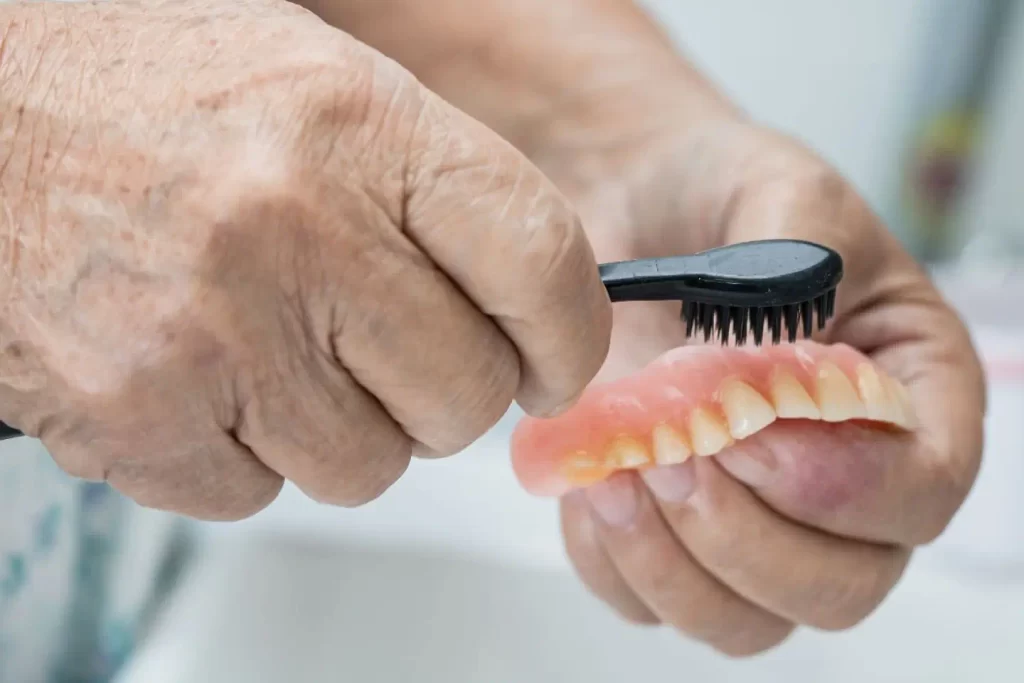
Remove and clean removable dentures as directed by your dental team. Use products recommended for dentures rather than abrasive household cleaners, which may damage the surface.It is also sensible to avoid using your teeth to open packages or bite hard objects. Habits such as chewing on pens, ice, or other hard items can place unnecessary stress on both natural teeth and dental restorations.
Regular dental appointments remain important even if you no longer have natural teeth in a particular arch. Your dentist can check your oral tissues and evaluate the fit and condition of your dentures.
Schedule a Denture Consultation in Manchester, Connecticut
Missing teeth can affect your smile, everyday routine, and confidence when eating or speaking. If you are exploring ways to replace multiple missing teeth, dentures may be an option worth discussing.
At Manchester Dental Arts, you can learn more about dentures in Manchester, Connecticut, including complete and partial denture options. Your dentist can evaluate your oral health, discuss your goals, and help you understand which tooth-replacement approach may be appropriate for you.
Contact Manchester Dental Arts to schedule a denture consultation and take the next step toward restoring your smile.
Can Dentures Improve the Appearance of Your Smile?
Dentures are designed to replace missing teeth while also restoring the overall appearance of the smile. The shape, size, and shade of the replacement teeth can be considered when creating the restoration.
A denture can also provide support for the lips and cheeks that may change following extensive tooth loss. However, the appearance of dentures can vary from person to person depending on facial structure, existing oral anatomy, and the design of the restoration.
During your consultation, you can discuss how you would like your new smile to look and ask what may be realistic for your particular circumstances.
Frequently Asked Questions About Dentures
Comfort can vary from person to person. New dentures may feel unusual initially while your mouth adjusts to them. If a denture creates ongoing sore spots, feels excessively loose, or causes discomfort, your dentist should evaluate the fit. Adjustments may help improve comfort in some situations. Regular follow-up appointments can also allow your dental team to monitor how your dentures are fitting over time.
Many people can eat a wide range of foods with dentures, but eating may feel different at first. Starting with softer foods and cutting food into smaller pieces can make the adjustment period easier. Foods that are particularly hard, sticky, or difficult to chew may require additional care. Your dentist can provide advice based on your specific denture and how well it fits.
Dentures are designed to resemble natural teeth and complement your facial appearance. The tooth shade, shape, arrangement, and overall design can influence the final appearance. Individual results vary, so it is helpful to discuss your expectations with your dentist before treatment. When considering dentures in Manchester, Connecticut, you can ask about the available options for creating a smile that looks appropriate for you.
Your dentist can provide instructions about when to wear and remove your dentures. Many removable dentures are taken out for cleaning and to give the oral tissues a break, but individual recommendations can vary. Follow the instructions provided by your dental team and the denture manufacturer. If you are unsure whether you should sleep while wearing your dentures, ask your dentist for guidance.
Yes. Partial dentures can be used to replace multiple missing teeth when some natural teeth remain. Whether a partial denture is suitable depends on the number and position of missing teeth, the health of your remaining teeth and gums, and other factors. Your dentist can compare partial dentures with alternatives such as dental bridges or implants and explain which options may be appropriate.