
Dental Crowns and Bridges
Restore Damaged or Missing Teeth With Crowns and Bridges
Damaged or missing teeth can affect more than the appearance of your smile. They may make chewing more difficult, change the way your teeth come together, or affect your confidence when speaking and smiling.
At Manchester Dental Arts, we provide dental crowns and bridges in Manchester, Connecticut, to help restore and protect teeth and replace missing teeth. Depending on your needs, a crown can strengthen and restore an individual tooth, while a bridge can replace one or more missing teeth.
Our dental team will evaluate your teeth, gums, bite, and overall oral health before recommending the most appropriate treatment.
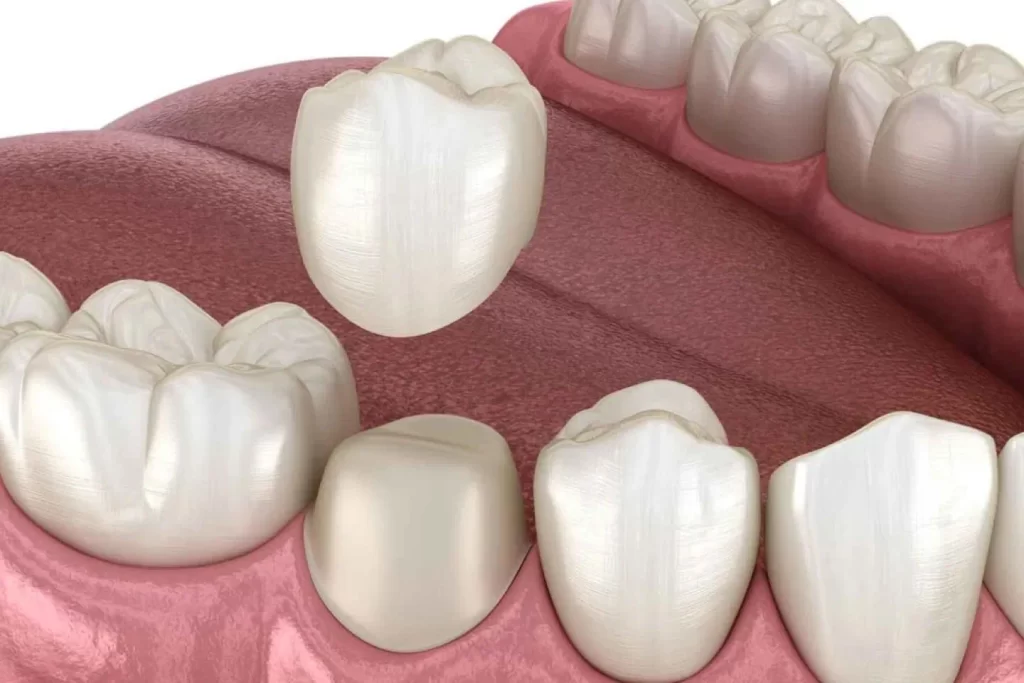
Dental Crowns in Manchester, Connecticut
When you need dental crowns in Manchester, Connecticut, treatment begins with an examination and personalized treatment plan.
The goal is not simply to cover a damaged tooth. The crown needs to fit properly with the surrounding teeth and work comfortably with your bite.
Your dentist will consider factors such as the condition of the tooth, the amount of remaining tooth structure, your bite, and your aesthetic preferences when determining the appropriate restoration.
What Are Dental Crowns?
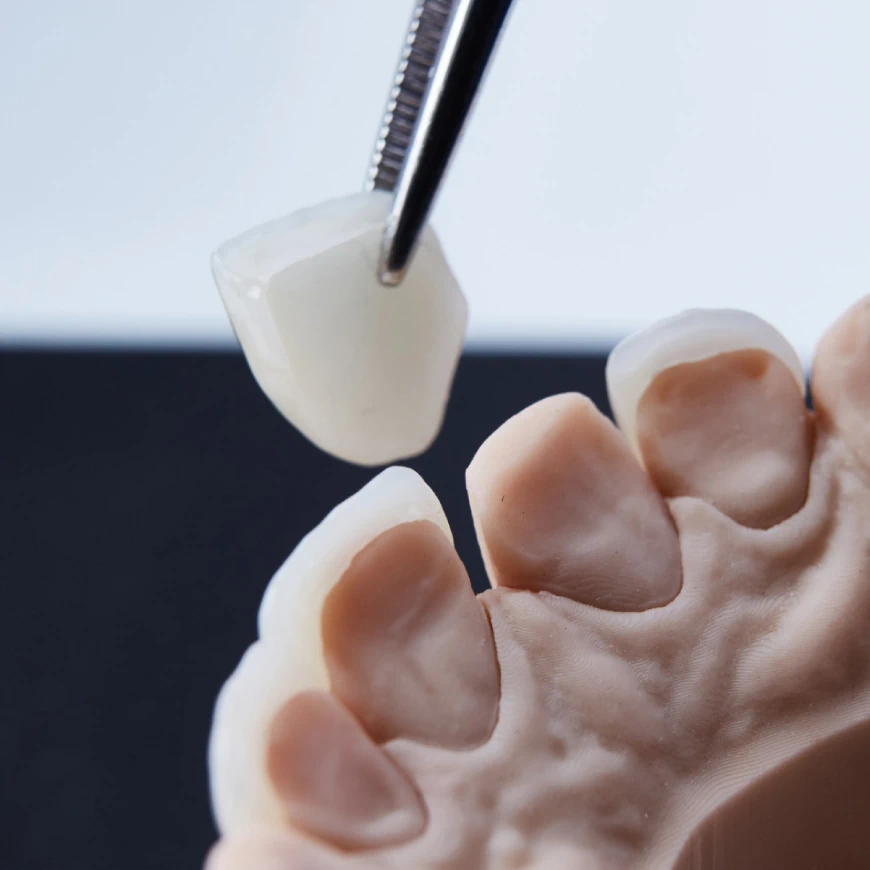
A dental crown is a restoration that fits over a damaged or weakened tooth. It is designed to restore the tooth’s shape, function, and appearance while providing protection.
A crown may be recommended when a tooth has been significantly weakened by:
- Extensive decay
- A large filling
- Cracks or fractures
- Significant wear
- Previous dental treatment
- Root canal treatment
In some situations, a crown may also be used as part of a dental implant restoration.
What Are Dental Bridges?
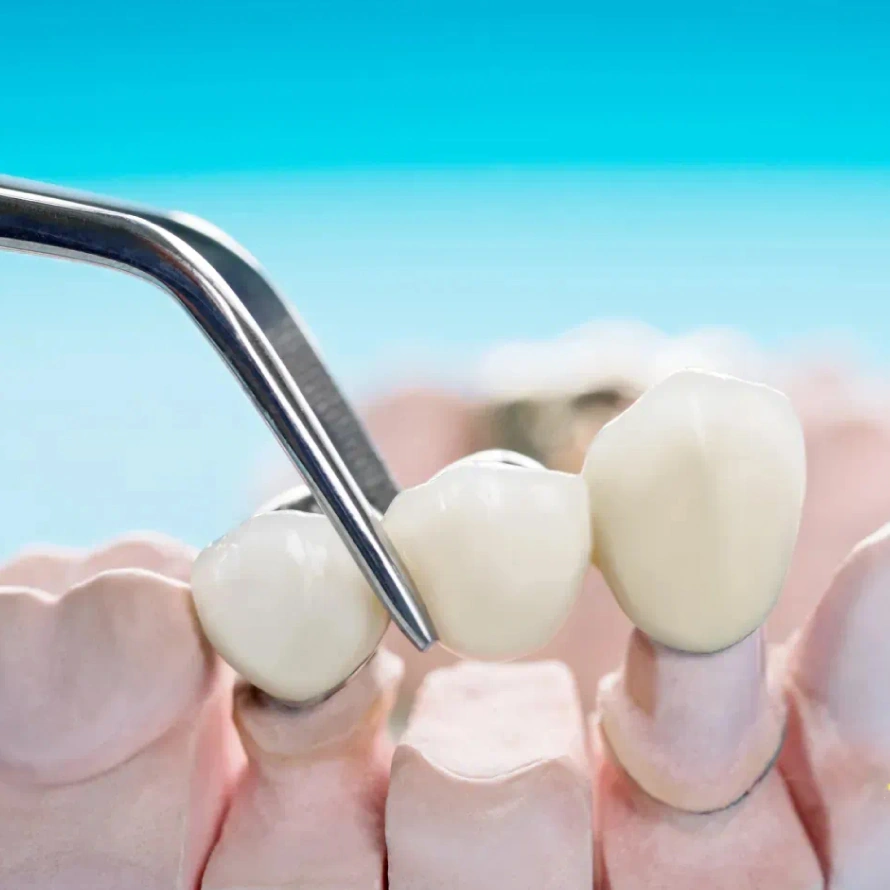
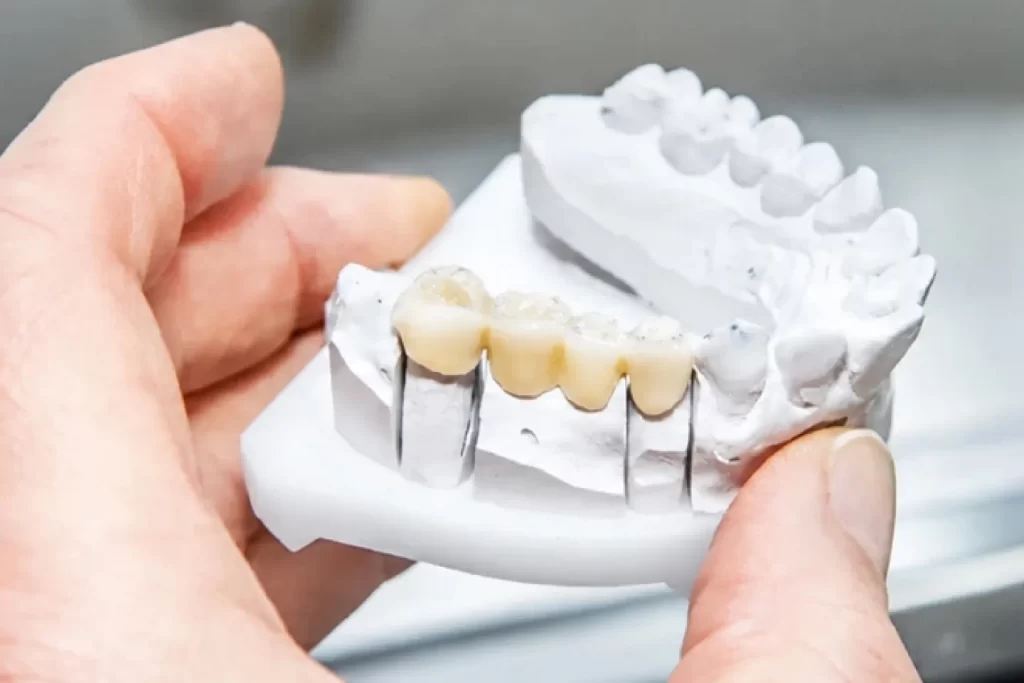
A dental bridge is a fixed restoration used to replace one or more missing teeth. A traditional bridge typically uses neighboring teeth for support, with an artificial tooth or teeth positioned in the space created by the missing tooth.
A bridge can help restore the continuity of your smile and provide a functional replacement for missing teeth.
Not every missing tooth should be treated with the same type of restoration. Depending on your oral health and circumstances, your dentist may also discuss dental implants, partial dentures, or other options.
Crowns vs. Bridges
Crowns and bridges serve different purposes. Dental crowns are generally used to restore or protect individual damaged teeth.
Dental bridges are generally used to replace one or more missing teeth by attaching the replacement tooth or teeth to supporting structures.
The right option depends on whether you have a damaged natural tooth, a missing tooth, or another dental concern.
What Are Custom Dental Crowns?
Custom dental crowns in Manchester, Connecticut, are designed to fit your individual tooth and bite.
A properly designed crown considers:
- Tooth size and shape
- The surrounding teeth
- Your bite
- The location of the tooth
- The desired appearance
- The amount of remaining natural tooth structure
Customization helps the restoration function comfortably while complementing the rest of your smile.

What Are Custom Dental Crowns?
Custom dental crowns in Manchester, Connecticut, are designed to fit your individual tooth and bite.
A properly designed crown considers:
- Tooth size and shape
- The surrounding teeth
- Your bite
- The location of the tooth
- The desired appearance
- The amount of remaining natural tooth structure
Customization helps the restoration function comfortably while complementing the rest of your smile.
Dental Bridges in Manchester, Connecticut
If you are looking for dental bridges in Manchester, Connecticut, Manchester Dental Arts can evaluate the missing tooth area and surrounding teeth to determine whether a bridge is appropriate.
A properly planned bridge can help restore chewing function and provide a more complete-looking smile.
The condition of the neighboring teeth and gums is particularly important because they may serve as support for the restoration.
The Dental Crown Process
1. Examination
Your dentist examines the tooth and determines the cause and extent of the damage.
2. Treatment planning
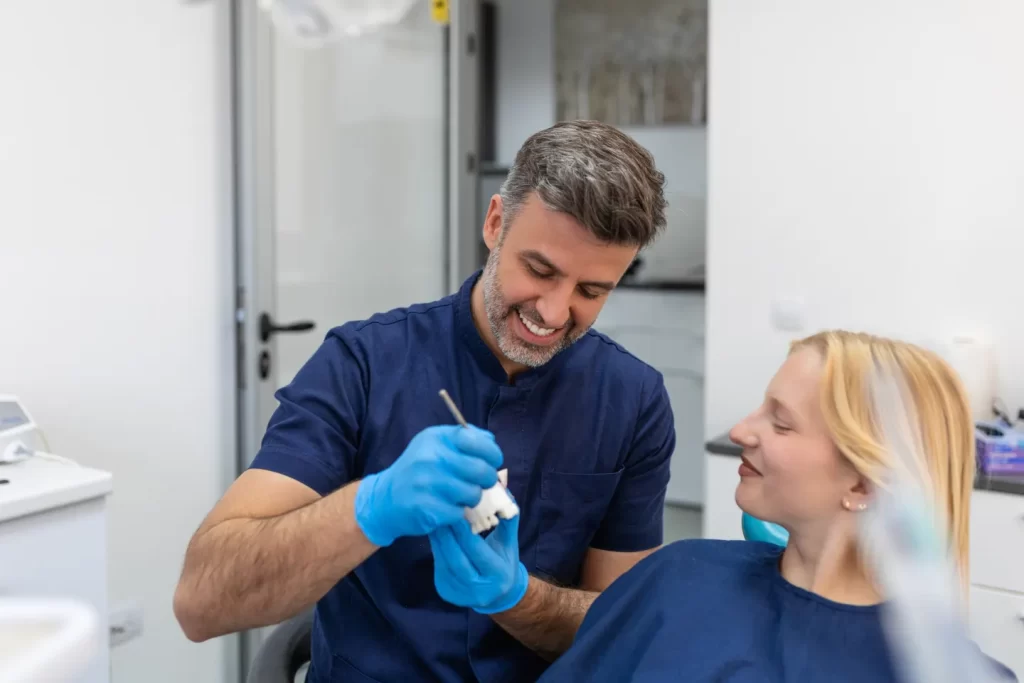
If a crown is recommended, your dentist discusses the procedure and restoration options with you.
3. Tooth preparation
The tooth is carefully prepared so the crown can fit properly.
4. Impression or digital scan
Information about the prepared tooth is collected so the custom restoration can be created.
5. Temporary protection
Depending on your treatment, a temporary restoration may be placed while the permanent crown is being fabricated.
6. Final crown placement
Once the permanent crown is ready, your dentist checks its fit, appearance, and bite before securing it in place.
The Dental Bridge Process
Bridge treatment also begins with an examination and treatment plan.
If a traditional bridge is appropriate, the supporting teeth are prepared as necessary. Impressions or digital scans are used to create the restoration, and a temporary restoration may be provided when appropriate.
Once the final bridge is ready, your dentist checks its fit and bite before placing it.

Restorative Dental Care at Manchester Dental Arts
At Manchester Dental Arts, we understand that every patient’s dental needs are different. Our restorative approach focuses on preserving healthy tooth structure when possible while restoring the function and appearance of damaged or missing teeth.
If you need dental crowns and bridges in Manchester, Connecticut, our team can evaluate your smile and explain your treatment options in clear, straightforward terms.
Contact Manchester Dental Arts to schedule an appointment and take the next step toward restoring your smile.
Caring for Crowns and Bridges
Good oral hygiene remains important after restorative treatment.For crowns, continue brushing and cleaning between your teeth as usual.
If you have a bridge, pay particular attention to cleaning underneath and around the restoration. Your dentist or dental hygienist can show you techniques and tools that may help you clean difficult-to-reach areas. You should also:
- Brush twice daily
- Clean between your teeth every day
- Maintain regular dental cleanings
- Attend routine examinations
- Avoid chewing excessively hard objects
- Contact your dentist if your restoration feels loose or uncomfortable
When Should You Consider a Dental Crown or Bridge?
You may want to discuss crowns or bridges with your dentist if you have:
- A severely damaged tooth
- A weakened tooth
- A large filling that leaves limited natural tooth structure
- A missing tooth
- Difficulty chewing because of a missing or damaged tooth
- A tooth that has undergone root canal treatment
- Concerns about the appearance or function of a damaged tooth
An examination is necessary to determine which restoration is appropriate.
Frequently Asked Questions About Dental Crowns and Bridges
A dental crown is a custom restoration that covers a damaged or weakened tooth. It can help restore the tooth's shape, function, and appearance while providing protection.
A dental bridge is a fixed dental restoration used to replace one or more missing teeth. It typically uses supporting teeth or other dental structures to hold the replacement tooth or teeth in place.
A crown is generally used to restore an existing damaged tooth, while a bridge is generally used to replace a missing tooth or teeth. Your dentist can determine which option is appropriate after examining your mouth.
The lifespan of a crown varies depending on factors such as oral hygiene, bite forces, the location of the tooth, and general care. Regular dental visits can help monitor the condition of your restoration.
A dental bridge can provide long-term tooth replacement, but its lifespan varies based on oral hygiene, supporting teeth, bite forces, and other factors. Regular examinations help your dentist monitor the bridge.
The procedure is performed with measures to keep you comfortable. Some patients may experience temporary sensitivity following treatment, but your dentist will explain what to expect.
A crown may be recommended for certain cracked or weakened teeth when enough healthy tooth structure remains. However, treatment depends on the location and extent of the crack.
Yes. A dental bridge can sometimes be used to replace a single missing tooth, depending on the condition of the surrounding teeth and your overall oral health.
Cleaning under a bridge is important because food and plaque can accumulate around the restoration. Your dentist or hygienist can recommend appropriate flossing techniques or specialized cleaning tools.
Treatment costs vary depending on the restoration, materials, number of teeth involved, and your individual treatment needs. Manchester Dental Arts can provide cost information after evaluating your smile.
Manchester Dental Arts provides restorative dental care, including dental crowns and bridges, for patients in Manchester, Connecticut. Contact our office to schedule an evaluation.