
Bonding
A small chip, uneven edge, minor gap, or tooth discoloration can sometimes make you more aware of your smile than you would like. You may not need a major cosmetic procedure to address it. For certain concerns, dental bonding can offer a relatively conservative way to improve the appearance of individual teeth.
Dental bonding uses a tooth-colored composite resin that is applied, shaped, and polished to suit the tooth being treated. The process can be used for a range of cosmetic concerns, depending on the condition of your teeth and your overall oral health.
If you are considering dental bonding in Manchester, Connecticut, a consultation with a dentist can help determine whether bonding is appropriate for your smile and what you can reasonably expect from treatment.
What Is Dental Bonding and How Does Teeth Bonding Work?
Dental bonding is a cosmetic dental treatment that uses a tooth-colored composite material to alter the shape, size, or appearance of a tooth. The material is carefully placed on the tooth and shaped to create the desired appearance before it is hardened and polished.
Teeth bonding in Manchester, Connecticut may be considered for concerns such as:
- Small chips or worn edges
- Slight gaps between teeth
- Uneven tooth shapes
- Minor changes in tooth length
- Certain types of discoloration
- Teeth that appear slightly irregular
- Small cosmetic imperfections
One of the appealing aspects of cosmetic dental bonding is that it can often involve less alteration to the natural tooth than some other cosmetic treatments. However, the right approach depends on the tooth, the type of concern being addressed, and your individual circumstances.


What Can Teeth Bonding in Manchester, Connecticut Fix?
Teeth bonding can be used in several different ways, although its capabilities have limits. For a small chip, composite resin can be shaped to restore a more even-looking edge. For a minor gap, bonding may sometimes be used to add material to the sides of the teeth and create a different visual proportion.
Bonding may also be used to make slightly uneven teeth look more symmetrical. In some cases, it can improve the appearance of certain types of discoloration, although bonding does not whiten the underlying natural tooth.
Cosmetic dental bonding is generally better suited to relatively small changes. Larger restorations or teeth with more extensive damage may require a different type of treatment.
Who May Be a Candidate for Dental Bonding in Manchester, Connecticut?
Dental bonding may be suitable for patients who want to make relatively minor cosmetic changes without choosing a more extensive treatment. During an examination, your dentist can assess the tooth and look for issues that may need attention before cosmetic treatment.
For example, if a tooth has decay, significant structural damage, or another underlying dental concern, that issue may need to be addressed first. Bonding is primarily used to improve the appearance or shape of a tooth, so it is important to consider the health of the tooth as part of the treatment decision.
Dental bonding in Manchester, Connecticut may be worth discussing if you have a small imperfection that has been bothering you and would like to explore a conservative cosmetic option.
What Happens During Cosmetic Dental Bonding?
The bonding process begins with an assessment of your tooth and a discussion about what you would like to change. Your dentist can then determine whether bonding is an appropriate option and discuss the shape and appearance that may be achievable.
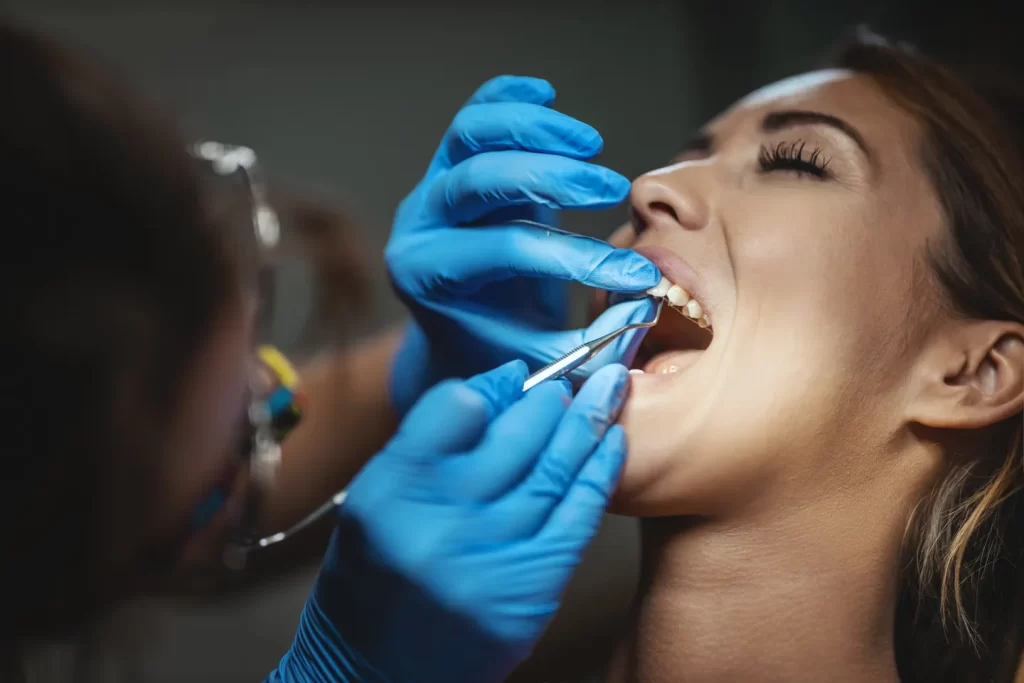
If treatment proceeds, the tooth is prepared so the composite material can adhere appropriately. The tooth-colored resin is then applied and shaped carefully. A curing light is used to harden the material, after which the dentist can make adjustments to the shape and polish the surface.
The details of treatment can vary from person to person. Some cases may be relatively straightforward, while others may require more planning to achieve a natural-looking result.

How Long Does Dental Bonding Last?
The lifespan of dental bonding can vary. Factors such as the location of the bonding, the amount of material used, your bite, eating habits, oral hygiene, and general wear can all affect how long it remains in good condition.
Composite resin can also become stained over time, particularly when exposed regularly to strongly pigmented foods and drinks. Good oral hygiene and routine dental visits can help you and your dentist monitor bonded teeth.
If you are considering dental bonding in Manchester, Connecticut, ask your dentist how the location and condition of the tooth may affect the expected longevity of your particular restoration.
Dental Bonding vs. Veneers: Which Cosmetic Treatment Is Right for You?
Dental bonding and veneers can both be used to change the appearance of teeth, but they are not interchangeable treatments.
Bonding involves applying composite resin directly to the tooth and shaping it. Veneers are thin restorations placed over the front surface of a tooth and may involve more preparation, depending on the type of veneer and the circumstances.
Teeth bonding in Manchester, Connecticut may be worth considering when the desired change is relatively small. Veneers may be discussed when someone is looking for a broader change in the appearance of one or more teeth.
The best choice depends on factors such as your dental health, the condition of your teeth, your cosmetic goals, and how much alteration you are comfortable with.
How Should You Care for Teeth Bonding After Treatment?
Bonded teeth should be cared for much like your natural teeth. Brush twice a day with fluoride toothpaste unless your dentist has advised otherwise, clean between your teeth regularly, and attend recommended dental examinations.
It is also sensible to avoid using your teeth to open packages or bite hard objects. Habits such as chewing on pens, ice, or other hard items can place unnecessary stress on both natural teeth and dental restorations.
If you notice a change in the bonded area, such as a chip, rough edge, or change in appearance, contact your dental practice for an assessment.

Schedule a Dental Bonding Consultation in Manchester, Connecticut
If a chipped, uneven, slightly discolored, or irregular tooth is affecting the way you feel about your smile, dental bonding may be one treatment worth discussing. The best way to understand whether it suits you is to have your teeth evaluated and talk through your options with a dentist.
At Manchester Dental Arts, you can discuss your concerns, learn more about teeth bonding in Manchester, Connecticut, and find out whether dental bonding fits your dental needs and cosmetic goals. Contact Manchester Dental Arts to schedule a consultation and take the next step towards a smile you feel comfortable sharing.
Frequently Asked Questions About Dental Bonding
Dental bonding is generally considered a relatively straightforward cosmetic procedure. Whether you need local anesthesia depends on the tooth being treated and the amount of preparation required. Your dentist can explain what will be involved before treatment begins. If you are particularly concerned about sensitivity or discomfort, mention this during your consultation so the dental team can discuss appropriate options.
In some cases, bonding can be used to reduce the appearance of a small gap by adding tooth-colored composite resin to the teeth beside the space. However, bonding is not appropriate for every type or size of gap. The cause and position of the space, your bite, and the condition of the surrounding teeth all matter. A dentist can examine your smile and explain whether teeth bonding in Manchester, Connecticut could be a suitable option.
Natural tooth structure and composite bonding do not respond to whitening treatments in the same way. If you are considering professional or at-home whitening, it is worth discussing this with your dentist before having bonding placed. In some situations, whitening natural teeth first may be considered so the shade of new bonding can be selected accordingly. Your dentist can explain the most appropriate sequence based on your smile and treatment plans.
Composite resin can be selected and shaped to complement the surrounding teeth. Your dentist can consider factors such as tooth shape, proportions, surface texture, and shade when placing the material. However, the final appearance can vary depending on the tooth and the extent of treatment. During a consultation for dental bonding in Manchester, Connecticut, you can discuss the type of change you are hoping to achieve.
Bonding may be an option for some small chips, particularly when the remaining tooth structure is suitable for restoration. A chipped tooth should still be examined because the visible chip may not tell the whole story. Your dentist can check the tooth and surrounding tissues before recommending treatment. Depending on the size and location of the damage, another restorative option may be more appropriate than cosmetic dental bonding in Manchester, CT.