
Extractions
Keeping your natural teeth whenever possible is an important part of maintaining your oral health. However, there are situations where a tooth may be too damaged, severely decayed, or otherwise unsuitable for continued treatment. In these circumstances, removing the tooth may be recommended.
A tooth extraction involves removing a tooth from its socket in the jaw. Although the idea of having a tooth removed can feel unsettling, understanding what is involved can make the process easier to prepare for.
If you are considering tooth extractions in Manchester, Connecticut, your dentist can examine the tooth, explain why removal may be recommended, and discuss options for replacing the tooth if appropriate.At Manchester Dental Arts, treatment begins with an evaluation of your individual dental needs so you can understand your options before moving forward.
Why Might You Need Tooth Extractions in Manchester, Connecticut?
A dentist may recommend removing a tooth for several different reasons. The decision is based on the condition of the tooth, the surrounding tissues, your overall oral health, and whether the tooth can be predictably treated and maintained.
Common reasons for tooth extractions in Manchester, Connecticut may include:
- Extensive tooth decay
- Significant damage or fracture
- Certain dental infections
- Advanced gum disease affecting the supporting structures
- Crowded teeth in selected orthodontic treatment plans
- A tooth that cannot be adequately restored
- Certain wisdom teeth that are causing or may cause dental problems
Extraction is not automatically the first choice when a tooth has a problem. Depending on the circumstances, your dentist may discuss alternatives such as a filling, crown, root canal treatment, or another restorative procedure.

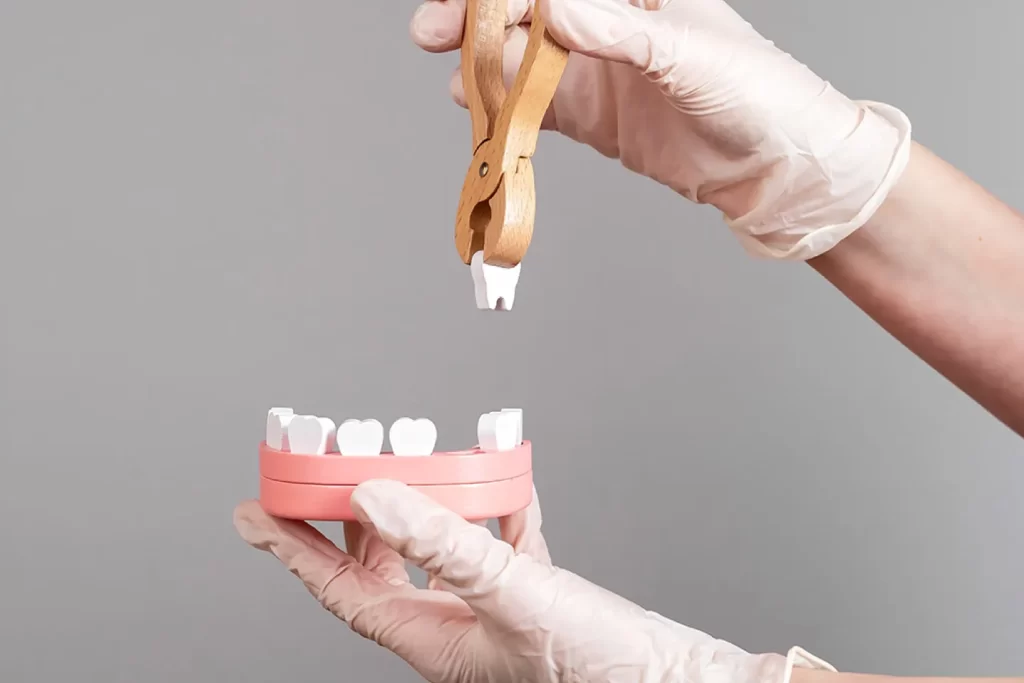
What Happens During a Tooth Extraction?
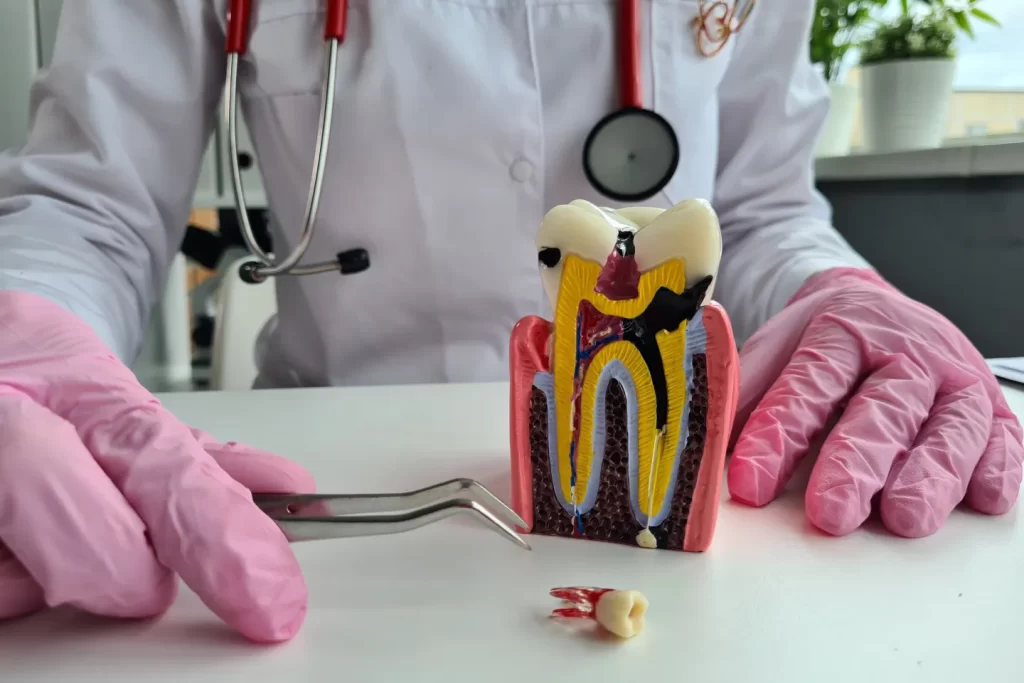
Before an extraction, your dentist will examine the affected tooth and surrounding area. Dental X-rays may be recommended to provide additional information about the tooth, its roots, and the surrounding bone.
Once the treatment plan has been established, local anesthesia is typically used to numb the area being treated. Your dentist will then carefully loosen and remove the tooth.
The technique used depends on the tooth and its position. Some teeth can be removed relatively simply, while others may require a surgical extraction if the tooth is broken, impacted, or difficult to access.Your dentist will explain the procedure beforehand and provide instructions for caring for the area afterward.
Are Tooth Extractions Painful?
The area around the tooth is numbed before the extraction, which helps reduce discomfort during the procedure. You may feel pressure or movement while the dentist works on the tooth, but you should tell your dental team if you experience significant discomfort.
After the extraction, it is normal for the area to feel different while it heals. Some soreness, swelling, or tenderness may occur, particularly after a more involved extraction.
Your dentist will provide aftercare instructions and can discuss appropriate ways to manage discomfort based on your individual circumstances.
If you are nervous about tooth extractions in Manchester, Connecticut, let your dentist know before treatment. Understanding what will happen and having an opportunity to ask questions can make the appointment feel more manageable.
What Should You Expect After Tooth Extractions?
After tooth extractions in Manchester, Connecticut, your dental team will give you instructions for protecting the extraction site while it heals.A blood clot normally forms in the socket following an extraction. Protecting this area during the early healing period is important.
Your dentist may advise you to:
- Follow the specific instructions provided after your extraction
- Avoid disturbing the extraction site
- Eat softer foods initially if recommended
- Avoid smoking or tobacco products during the healing period
- Keep your mouth clean while taking care around the extraction site
- Take medications only as directed by your dentist or healthcare provider
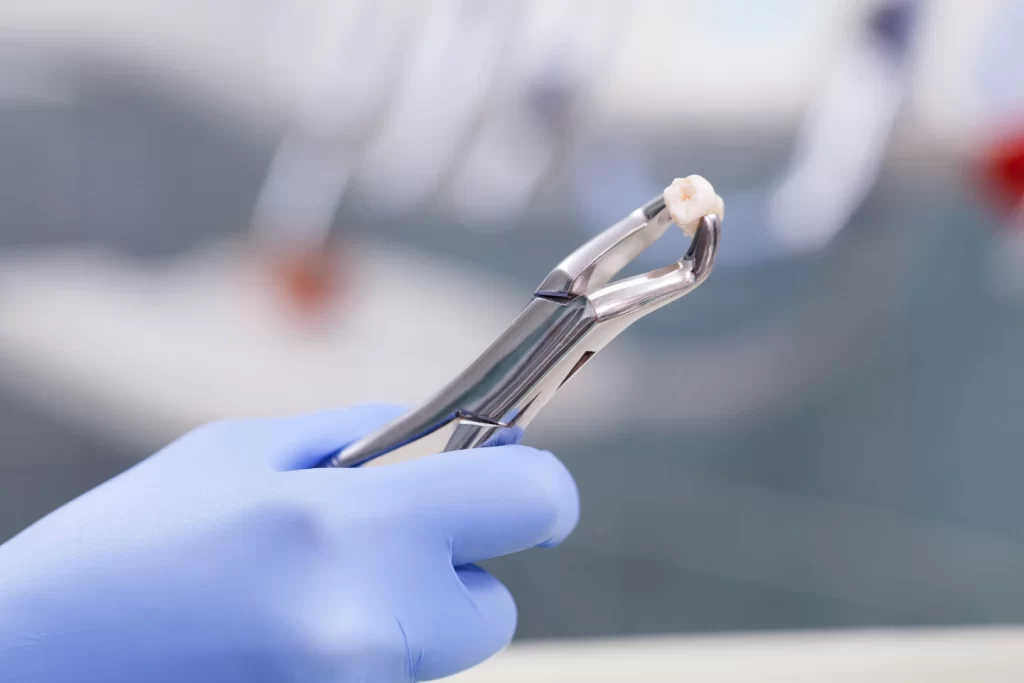
What Is the Difference Between a Simple and Surgical Extraction?
A simple extraction may be performed when the tooth is visible above the gum and can be accessed without a surgical procedure.
A surgical extraction is generally more involved. It may be necessary when a tooth is broken near the gum line, has complicated roots, or has not fully erupted. Wisdom teeth are one example where surgical extraction may sometimes be recommended.
The type of extraction you need depends on the tooth’s condition, position, root structure, and surrounding tissues.
Your dentist can explain which approach is being recommended and why before treatment begins.

How Can You Protect the Extraction Site?
Taking care of the extraction site is an important part of recovery. Your dentist will provide instructions based on your procedure.
Avoid touching the area unnecessarily with your fingers or tongue. Follow any recommendations regarding rinsing, brushing, eating, and physical activity.
Smoking and tobacco use can interfere with the healing process, so your dentist may recommend avoiding these products while the extraction site heals.
If you were prescribed medication or given specific instructions, follow them carefully and contact your dental office if you have questions.
Schedule a Tooth Extraction Consultation in Manchester, Connecticut
A tooth extraction may be recommended when a tooth is too damaged, decayed, or otherwise unsuitable for continued treatment. Understanding why removal is being considered and what alternatives may be available can help you make an informed decision about your dental care.
At Manchester Dental Arts, you can discuss your dental concerns and learn more about tooth extractions in Manchester, Connecticut. Your dentist can evaluate the affected tooth, explain the recommended approach, and discuss possible tooth-replacement options when appropriate.
Contact Manchester Dental Arts to schedule an evaluation and learn more about your extraction and tooth-replacement options.
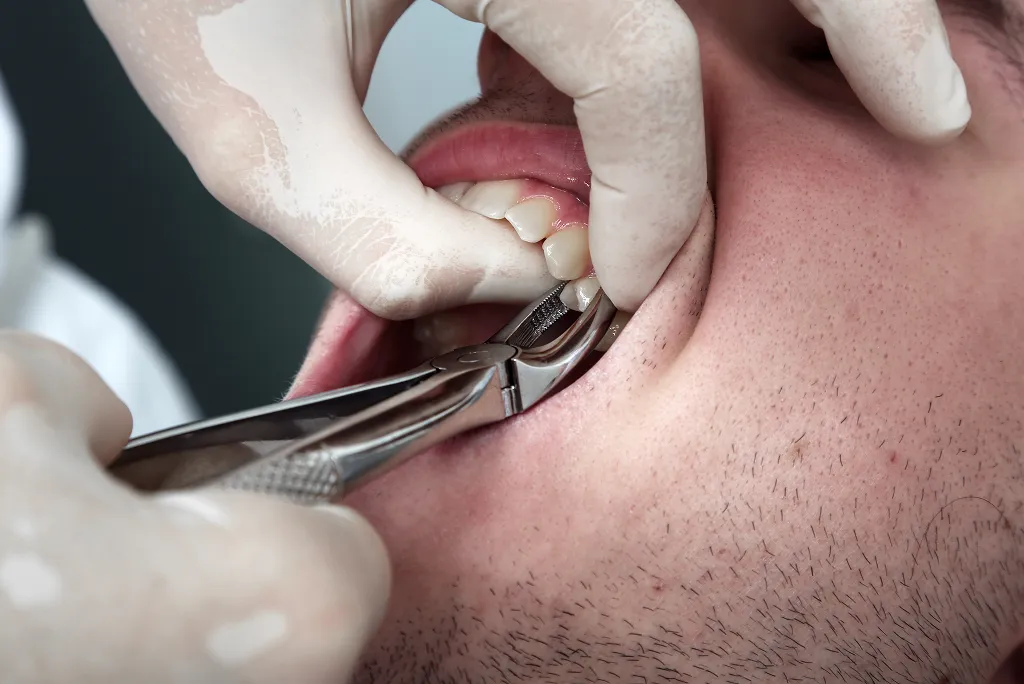
How Long Does It Take to Recover From a Tooth Extraction?
Healing time varies depending on the tooth removed, the complexity of the extraction, your general health, and other individual factors.
The initial healing of the extraction site occurs over the first several days, while the deeper tissues and bone can take longer to heal.
Your dentist can give you more specific information about what to expect based on the tooth being removed.
It is important to follow your post-extraction instructions during the healing period. Avoiding activities that could disturb the extraction site can help support normal healing.
What Happens If You Do Not Replace a Missing Tooth?
After an extraction, your dentist may discuss whether replacing the missing tooth would be beneficial. The appropriate option depends on the location of the tooth, the condition of your remaining teeth, your oral health, and your preferences.
Possible tooth-replacement options can include:
- Dental implants
- Dental bridges
- Partial dentures
Not every extracted tooth necessarily needs to be replaced in the same way. Your dentist can explain how leaving the space may affect your particular situation and whether replacement should be considered.If you are having tooth extractions in Manchester, Connecticut, it can be helpful to discuss replacement options before the extraction when possible. This allows you to understand the longer-term treatment plan.
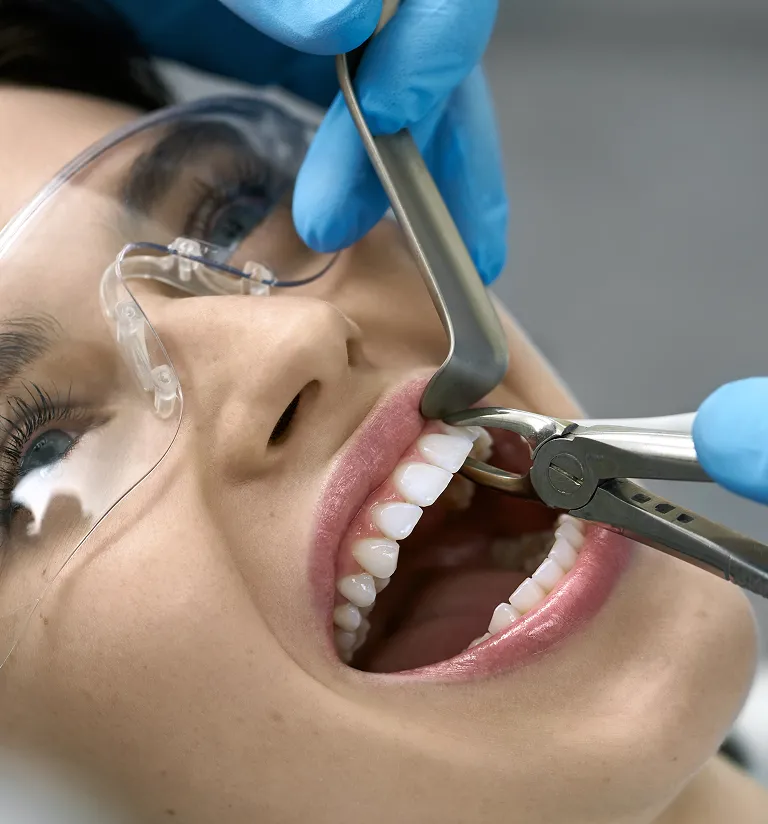
What Happens If You Do Not Replace a Missing Tooth?
After an extraction, your dentist may discuss whether replacing the missing tooth would be beneficial. The appropriate option depends on the location of the tooth, the condition of your remaining teeth, your oral health, and your preferences.
Possible tooth-replacement options can include:
- Dental implants
- Dental bridges
- Partial dentures
Not every extracted tooth necessarily needs to be replaced in the same way. Your dentist can explain how leaving the space may affect your particular situation and whether replacement should be considered.If you are having tooth extractions in Manchester, Connecticut, it can be helpful to discuss replacement options before the extraction when possible. This allows you to understand the longer-term treatment plan.
What Should You Eat After a Tooth Extraction?
Immediately following an extraction, your dentist may recommend choosing soft foods that are easier to eat while the area is tender.
Depending on your individual instructions, suitable choices may include foods such as yogurt, applesauce, scrambled eggs, mashed potatoes, or other soft foods that do not require extensive chewing.
As the area becomes more comfortable, you can gradually return to your usual diet according to your dentist’s guidance.Avoid very hard, crunchy, sticky, or particularly hot foods immediately after an extraction if your dentist has advised against them. The specific dietary recommendations may depend on the type of extraction you have had.
When Should You Contact Your Dentist After an Extraction?
Some discomfort and changes around the extraction site can occur during normal healing. However, you should contact your dentist if you have concerns about how the area is healing.
Contact your dental office if you experience significant or worsening pain, persistent bleeding, increasing swelling, fever, or other symptoms that seem unusual for your recovery.
Your dentist can assess the extraction site and determine whether additional care is needed.Do not hesitate to contact your dental team if you are unsure whether a symptom is part of the normal healing process.
Frequently Asked Questions About Tooth Extractions
The length of an extraction appointment depends on the tooth and the complexity of the procedure. A straightforward extraction may take less time than a surgical extraction involving an impacted or broken tooth. Your dentist can give you an estimate after examining the tooth and determining the appropriate approach. If you are preparing for tooth extractions in Manchester, Connecticut, your dental team can also explain what will happen during your appointment.
Whether you can drive after an extraction depends on the type of anesthesia or sedation used. If you receive only local anesthesia, your dentist may provide different instructions than if sedation is involved. Always follow the instructions given by your dental team. If you are unsure about transportation arrangements, ask before your appointment so you can plan appropriately.
This depends on the type of extraction, the nature of your work, and how you feel afterward. Some people may return to routine activities relatively soon after a straightforward extraction, while a more involved surgical extraction may require additional recovery time. Your dentist can provide individualized advice and explain whether you should temporarily avoid strenuous activity.
Sometimes. Depending on the condition of the tooth, alternatives such as a filling, crown, root canal treatment, or another restorative procedure may be possible. However, a tooth that has extensive damage or cannot be predictably restored may require removal. Your dentist can examine the tooth and explain whether an alternative to extraction is appropriate for you.
It is completely reasonable to have questions or concerns about an extraction. Tell your dental team about your concerns before treatment. Your dentist can explain each stage of the procedure, discuss the type of anesthesia being used, and answer questions about recovery. Knowing what to expect can help you feel more prepared for tooth extractions in Manchester, Connecticut.