
Implants and Sleep Apnea Devices
Advanced Dental Solutions for Your Smile and Sleep
Your dental needs can change at different stages of life. Missing teeth may affect your ability to chew and smile comfortably, while sleep-disordered breathing can interfere with the quality of your rest and overall well-being.
At Manchester Dental Arts, we provide personalised care for both tooth replacement and dental sleep concerns. Whether you are considering dental implants to replace missing teeth or need an oral appliance for sleep apnea, our team can evaluate your individual needs and help you understand your treatment options.
Dr. Tushin Shah has advanced training in implant dentistry and is also qualified to provide sleep apnea appliances according to American Academy of Dental Sleep Medicine (AADSM) standards.
What Are Dental Implants?
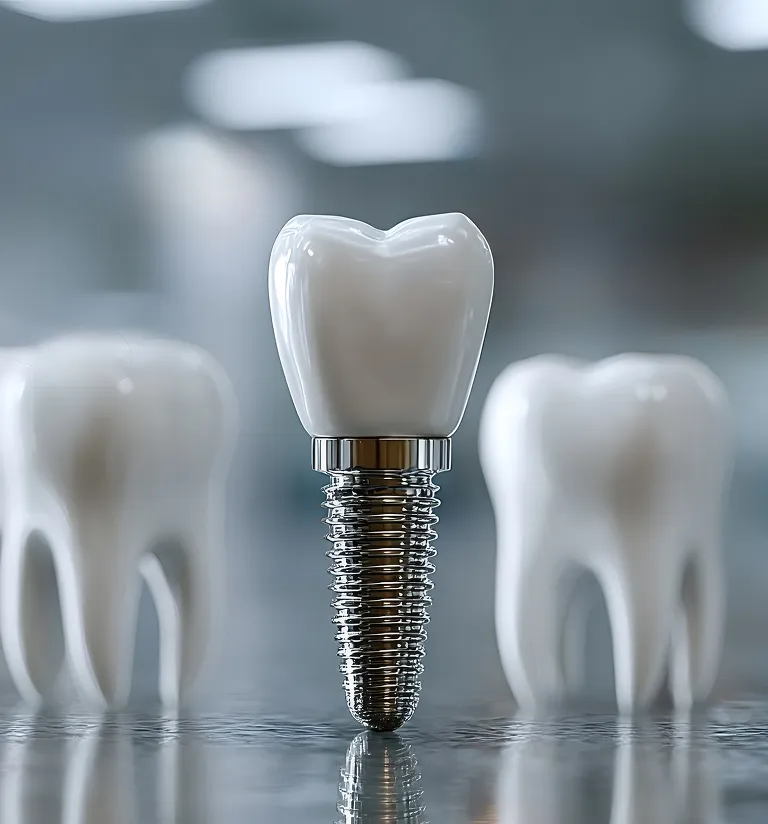
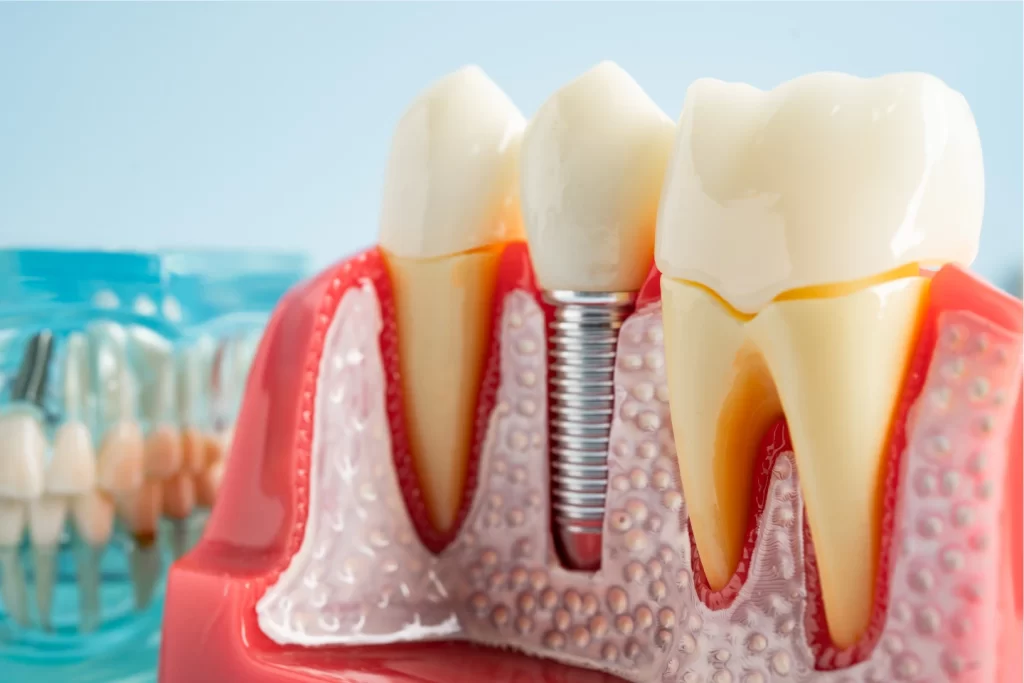
A dental implant is a small post placed into the jawbone to provide a stable foundation for a replacement tooth or other dental restoration.
Unlike a traditional removable appliance, an implant is anchored within the jaw. Once the implant has integrated with the surrounding bone, it can provide support for a restoration designed to replace the missing tooth.
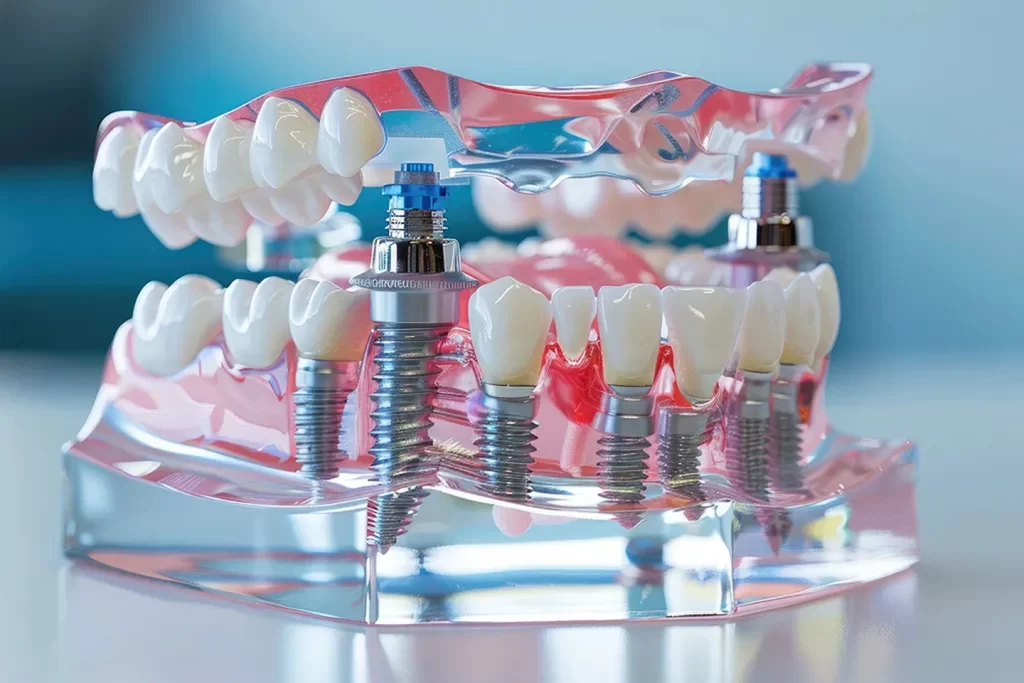
Dental implants may be used to replace:
- A single missing tooth
- Several missing teeth
- Multiple teeth as part of a larger restorative treatment plan
- Teeth that need to be replaced following extraction
The appropriate approach depends on the number of teeth missing, the condition of your teeth and gums, available bone, and your overall oral health.
What Are the Benefits of Dental Implants?
Depending on your individual situation, dental implants may offer several benefits:
- Replacement of missing teeth
- A stable foundation for a dental restoration
- Improved ability to chew
- A more complete-looking smile
- Support for implant-based restorations
- A tooth replacement option that does not rely solely on removable appliances
Your dentist can explain the potential benefits and limitations of implants based on your specific oral health.
Dental Implants for Missing Teeth
Losing a tooth can affect more than the appearance of your smile. A missing tooth can make chewing more difficult and may leave you looking for a replacement that feels stable and functions naturally.
Dental implants are designed to replace the root portion of a missing tooth. An implant is placed in the jawbone and can provide support for a dental restoration designed to replace the visible portion of the tooth.
For patients looking for an implant dentist in Manchester, Connecticut, Manchester Dental Arts can evaluate your oral health and discuss whether implant treatment may be appropriate for your situation.
Who May Be a Candidate for Dental Implants?
Dental implants can be an option for many patients with missing teeth, but suitability needs to be evaluated individually.
You may be considered for implant treatment if you:
- Have one or more missing teeth
- Want a more stable tooth replacement
- Have healthy or treatable gums
- Have adequate bone to support an implant
- Want to avoid relying solely on a removable appliance
- Are looking for a long-term tooth replacement option
If there is insufficient bone or active oral disease, additional treatment may be needed before implant placement can be considered.
A thorough examination allows your dentist to determine whether implants are appropriate and what steps may be required.
How the Dental Implant Process Works
Implant treatment generally involves several stages, and the exact process varies depending on your individual needs.
Comprehensive Examination
We evaluate your teeth, gums, bite, and the area where the tooth is missing. Your oral health is considered when determining whether implant treatment is appropriate.
Treatment Planning
Your dentist discusses your goals and develops a treatment plan based on the number and location of missing teeth and the type of restoration required.
Implant Placement
The implant is placed into the jawbone as planned. The area then needs time to heal and for the implant to integrate with the surrounding bone.
Restoration
Once the implant is ready to support a restoration, the replacement tooth or other planned restoration can be carefully designed, fitted, and completed to restore your smile, comfort, and natural-looking function.
Ongoing Care
Implant-supported teeth still require regular dental care. Good oral hygiene and routine examinations are important for maintaining the health of the surrounding tissues and the longevity of your restoration.
Take the Next Step Toward Better Dental Health and Sleep
Whether you are living with missing teeth or struggling with sleep-related breathing concerns, getting the right treatment starts with understanding your options.
At Manchester Dental Arts, we provide individualised care for patients considering dental implants and oral appliance therapy for suitable sleep apnea cases. Our team can evaluate your needs and help you determine the next step.
Contact Manchester Dental Arts today to schedule a consultation in Manchester, Connecticut.
What Is Sleep Apnea?
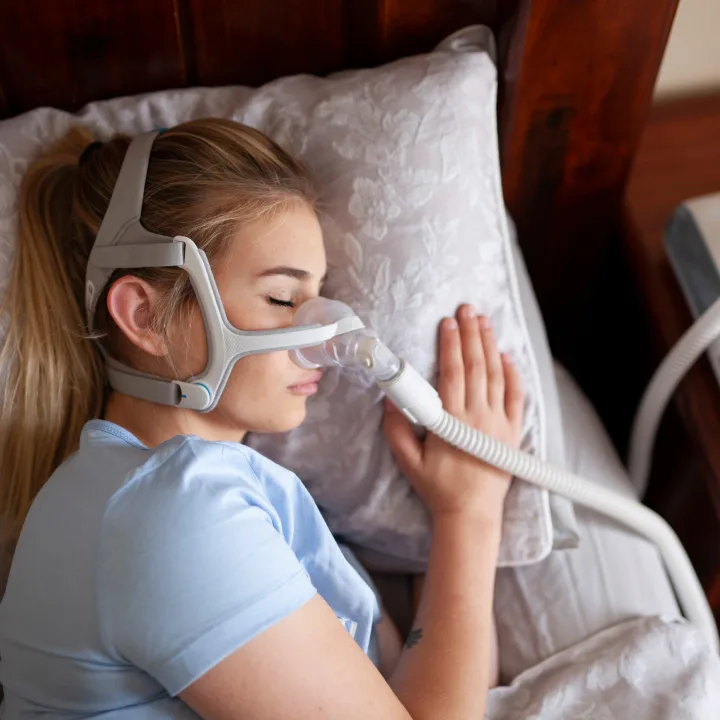
Sleep apnea is a sleep-related breathing disorder in which breathing repeatedly stops or becomes restricted during sleep.
One of the most common forms is obstructive sleep apnea (OSA), which occurs when the upper airway becomes blocked or collapses during sleep.
Symptoms can include:
- Loud or frequent snoring
- Pauses in breathing during sleep
- Gasping or choking during the night
- Waking with a dry mouth
- Morning headaches
- Daytime tiredness
- Difficulty concentrating
- Feeling unrefreshed after sleeping
Not everyone with sleep apnea experiences obvious symptoms, and snoring alone does not necessarily mean someone has the condition.
If you suspect that you may have sleep apnea, appropriate medical evaluation and diagnosis are important.
Sleep Apnea Devices vs. Over-the-Counter Mouthpieces
A professionally fitted oral appliance is different from a generic mouthpiece purchased without dental supervision.
A custom device is designed around your mouth and treatment needs, while an over-the-counter product may not provide the appropriate fit or positioning required for sleep apnea management.
Because sleep apnea is a medical condition, treatment should be based on appropriate evaluation rather than simply purchasing a device for snoring.
If you are considering sleep apnea devices in Manchester, Connecticut, our team can help you understand whether an oral appliance may be appropriate for your situation.
What Are Oral Appliances for Sleep Apnea?
Oral appliances are custom dental devices designed to help manage certain cases of obstructive sleep apnea and sleep-related breathing problems.
Depending on the type of appliance, it may work by repositioning the lower jaw or tongue to help maintain a more open upper airway during sleep.
These appliances are worn while sleeping and are individually fitted to the patient.
For suitable patients, they can provide an alternative treatment approach to discuss with a qualified dental sleep medicine provider.
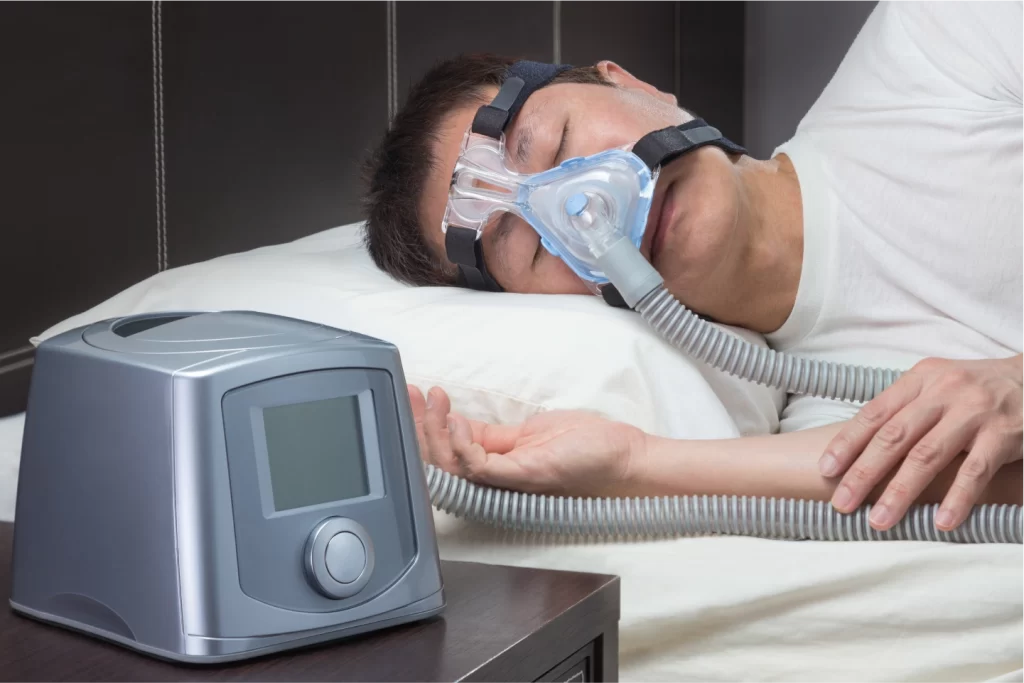
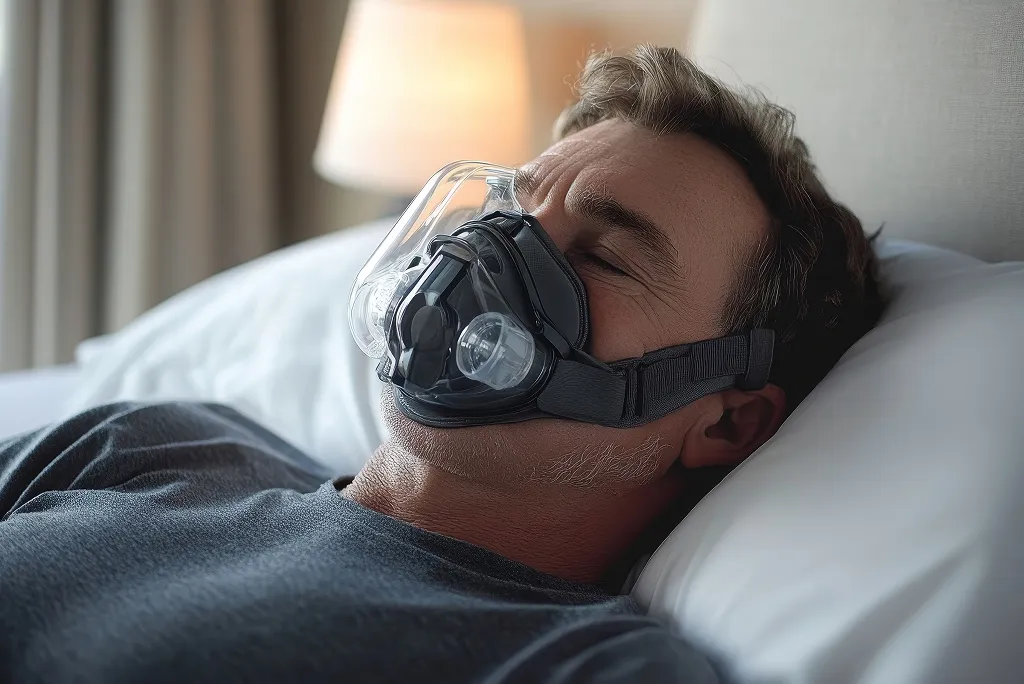
Who May Benefit From a Sleep Apnea Device?
Oral appliance therapy may be considered for certain patients with obstructive sleep apnea, particularly when an oral appliance is appropriate based on the individual’s diagnosis and circumstances.
It may be an option for patients who:
- Have been diagnosed with obstructive sleep apnea
- Have certain types or severities of sleep apnea
- Cannot tolerate or prefer not to use certain other treatments
- Want to discuss an oral appliance with a qualified dental provider
- Need a custom-fitted device rather than an over-the-counter appliance
An oral appliance should not be selected based solely on symptoms. Proper evaluation and diagnosis are important before treatment begins.
Why Professional Sleep Apnea Care Matters
Sleep apnea can have effects beyond snoring or disrupted sleep. Repeated interruptions in breathing can affect sleep quality and may have broader health implications.
An oral appliance should therefore be part of an appropriate sleep apnea treatment plan rather than used simply as a general anti-snoring device.
At Manchester Dental Arts, Dr. Shah has achieved “Qualified Dentist” status through the American Academy of Dental Sleep Medicine and is qualified to make sleep apnea appliances according to AADSM standards.
Caring for Your Sleep Apnea Appliance
Proper care can help keep your oral appliance clean and functioning as intended.
Your dental team can provide specific instructions, but general care may include:
- Cleaning the appliance regularly
- Storing it properly when not in use
- Handling it carefully
- Following the manufacturer’s or dentist’s cleaning instructions
- Attending recommended follow-up appointments
- Reporting discomfort or changes in fit
- Bringing the appliance to dental appointments when requested
Regular monitoring is important because your teeth, bite, and oral tissues can change over time.
Your Manchester Dental Office for Implant and Sleep Apnea Care
At Manchester Dental Arts, we believe dental treatment should be based on the individual rather than a one-size-fits-all approach.
Dr. Shah completed an advanced placement program at NYU College of Dentistry with Honors in Implant Dentistry and Public Health Policies. He has also continued his training in dental sleep medicine and holds a “Qualified Dentist” status from the AADSM.
Whether you are exploring tooth replacement with dental implants or looking for an oral appliance for sleep apnea, our team can help you understand your options in a comfortable and personalised setting.
If you are searching for an implant dentist in Manchester, Connecticut, or want to learn more about oral appliances for sleep apnea in Manchester, Connecticut, contact Manchester Dental Arts to schedule a consultation.
How Sleep Apnea Device Treatment Works
Treatment with an oral appliance involves assessment, fitting, and ongoing follow-up.
1. Discuss Your Sleep Concerns
We begin by discussing your symptoms, sleep concerns, and any existing diagnosis or treatment.
2. Review Your Dental and Medical Information
Your dental and relevant medical history is considered as part of the evaluation. If sleep apnea has not been diagnosed, appropriate medical evaluation may be necessary before proceeding with treatment.
3. Determine Whether an Oral Appliance Is Appropriate
Not every patient with sleep apnea is a suitable candidate for an oral appliance. We assess your individual circumstances and discuss whether this treatment approach may be appropriate.
4. Customise the Appliance
If an oral appliance is recommended, the device is fitted to your mouth rather than using a generic appliance.
5. Monitor Your Treatment
Follow-up appointments are important to evaluate comfort, fit, and treatment progress. Adjustments may be made when necessary.
Can Dental Implants and Sleep Apnea Treatment Be Combined?
Having both missing teeth and sleep-related breathing concerns does not necessarily mean you must choose between addressing one issue and the other.
Each treatment serves a different purpose. Dental implants are used to replace missing teeth, while oral appliances may be used to manage certain cases of obstructive sleep apnea.
If you require treatment for both concerns, your dental team can evaluate your overall oral health and discuss how each treatment fits into your broader care plan.
Frequently Asked Questions About Implants and Sleep Apnea Devices
Dental implants are posts placed into the jawbone to provide a stable foundation for a replacement tooth or other dental restoration. They can be used to replace one or multiple missing teeth.
Not everyone is an immediate candidate for implants. Your dentist will assess your oral health, gums, available bone, and other factors before determining whether implant treatment is appropriate.
Treatment time varies depending on the number of implants, your oral health, healing time, and the restoration being provided. Your dentist can explain the expected stages and timeline during your consultation.
An oral appliance is a custom-fitted dental device worn during sleep. Certain appliances work by repositioning structures such as the lower jaw to help maintain a more open upper airway in suitable patients with obstructive sleep apnea.
Oral appliances are used to manage certain cases of obstructive sleep apnea rather than being described as a universal cure. Suitability depends on the individual's diagnosis and circumstances.
A proper diagnosis is important before beginning treatment for sleep apnea. Your dentist can discuss your symptoms and coordinate appropriate evaluation when necessary.
Oral appliances are custom-fitted to the individual, which can help with comfort and fit. It can take some time to become accustomed to wearing a new appliance, and follow-up appointments may be needed for adjustments.
Certain oral appliances may help reduce snoring, particularly when snoring is associated with obstructive sleep-disordered breathing. However, persistent or significant snoring should be evaluated because it can sometimes be a symptom of sleep apnea.
Your dentist will provide specific cleaning and storage instructions. Regular cleaning, careful handling, and routine follow-up can help maintain the appliance.
Manchester Dental Arts provides personalised dental care, including implant treatment, for patients in Manchester, Connecticut. Contact the practice to schedule a consultation and discuss your tooth replacement options.
Manchester Dental Arts provides dental sleep medicine services and custom sleep apnea appliances for appropriate patients. Dr. Shah is qualified to make sleep apnea appliances according to AADSM standards.