
Root Canal Therapy
A painful or sensitive tooth can make ordinary parts of your day surprisingly difficult. Eating, drinking, brushing, or even breathing in cold air may become uncomfortable. While tooth sensitivity can have several causes, persistent symptoms may sometimes indicate a problem within the tooth.
Root canal therapy is a dental treatment used to address problems affecting the soft tissue inside a tooth, known as the dental pulp. Depending on the condition of the tooth, treatment may be recommended when the pulp becomes inflamed or infected.
If you are considering root canal therapy in Manchester, Connecticut, your dentist can examine the affected tooth, identify the likely source of the problem, and explain whether root canal treatment is appropriate.At Manchester Dental Arts, treatment is based on an assessment of your individual dental needs, symptoms, and the condition of the affected tooth.
What Is Root Canal Therapy and Why Is It Needed?
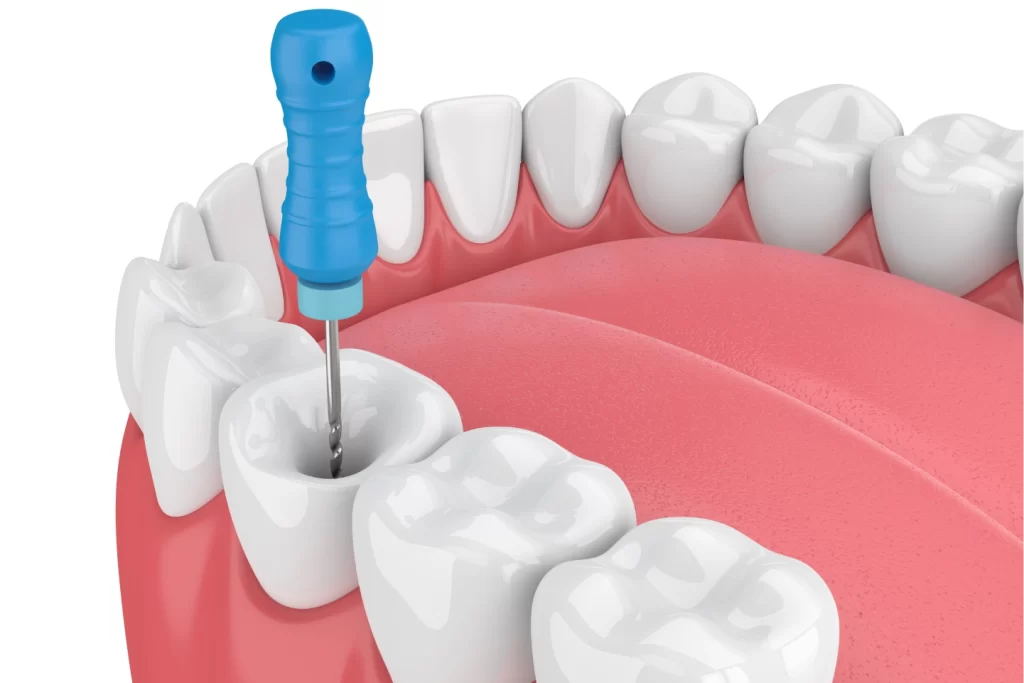
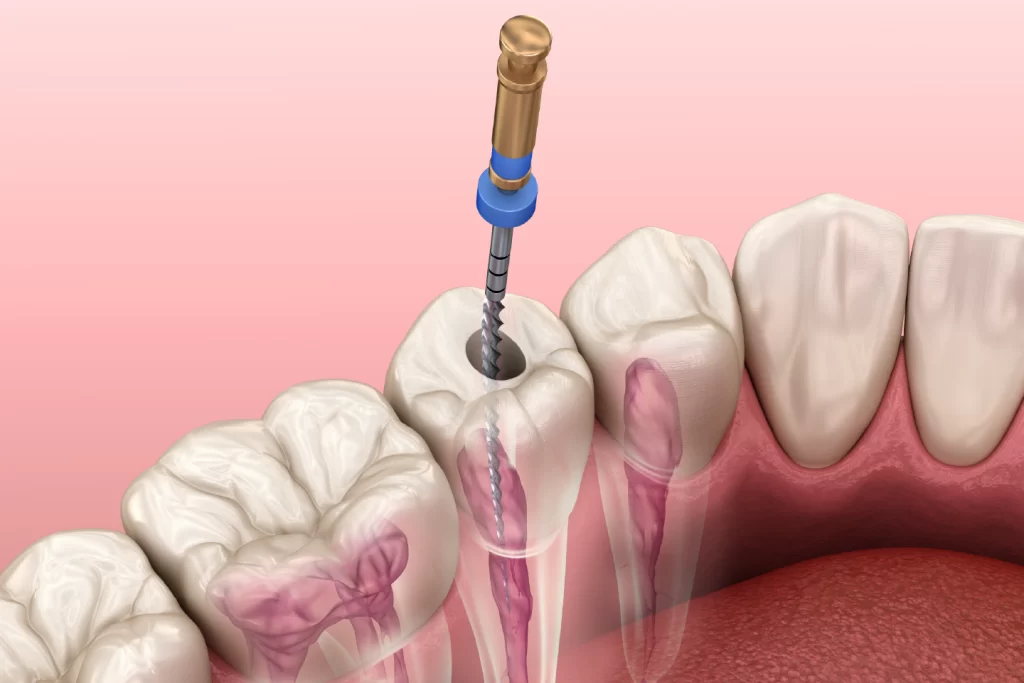
Root canal therapy involves removing inflamed or infected pulp tissue from inside a tooth, cleaning and disinfecting the root canal system, and sealing the space with a dental filling material.
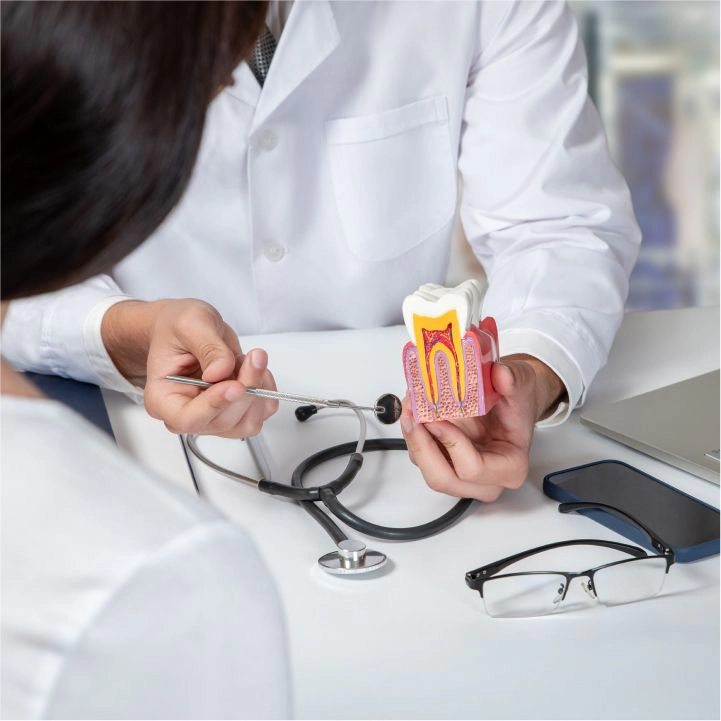
The pulp contains nerves and blood vessels and is located inside the tooth. When deep decay, a crack, trauma, or another problem affects the pulp, the tissue may become inflamed or infected.
In some situations, the tooth may be treated with root canal therapy rather than removed. Whether this is appropriate depends on the extent of the damage and whether the tooth can be adequately restored.
Root canal therapy in Manchester, Connecticut may be recommended when examination and diagnostic findings indicate that the pulp cannot be expected to recover with simpler treatment.
What Causes a Tooth to Need Root Canal Therapy?
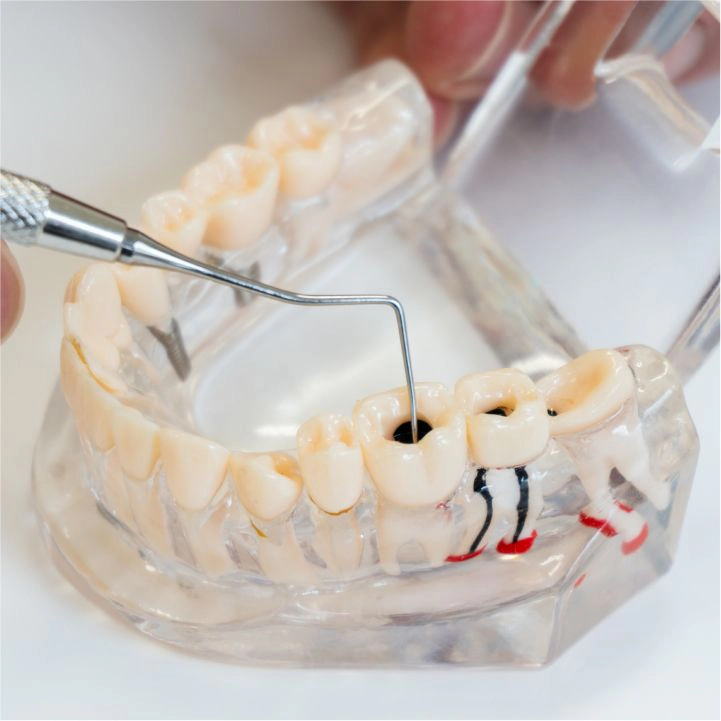
Several dental problems can affect the pulp inside a tooth.Deep tooth decay is one common cause. When decay progresses deeply into a tooth, bacteria can reach the pulp and contribute to inflammation or infection.
A cracked or fractured tooth can also expose or damage the pulp. Dental trauma may affect the nerve even when there is no obvious crack or break.
Repeated dental procedures on the same tooth may also contribute to pulp irritation in certain circumstances.Your dentist may use an examination, dental X-rays, and other diagnostic tests when appropriate to determine what is happening inside the tooth.
What Happens During Root Canal Therapy in Manchester, Connecticut?
The first step is an examination of the affected tooth. Your dentist may ask about your symptoms and use dental X-rays or other diagnostic methods to evaluate the tooth and surrounding structures.If root canal therapy in Manchester, Connecticut, is recommended, the tooth is typically numbed with local anesthesia. An opening is then made in the tooth to provide access to the pulp chamber and root canals.
The affected pulp tissue is removed, and the inside of the tooth is cleaned and shaped. The canals are then filled with a specialized material designed to seal the space.
The tooth usually needs a final restoration to protect the remaining tooth structure. Depending on the amount of tooth structure remaining, your dentist may recommend a filling, crown, or another restoration.The number of appointments required can vary depending on the tooth and the complexity of the treatment.
Is Root Canal Therapy Painful?
Many patients associate root canals with pain, but the procedure itself is performed using local anesthesia to numb the treatment area.
You may experience pressure or sensations during treatment, but you should tell your dentist if you experience significant discomfort so the dental team can respond appropriately.
After treatment, the tooth may feel tender or sensitive for a period of time. The degree and duration of discomfort can vary depending on the condition of the tooth and the treatment performed.
Your dentist can provide specific aftercare instructions and discuss appropriate pain-management options for your circumstances.
What Happens If an Infected Tooth Is Not Treated?
A dental infection does not always cause severe symptoms immediately. However, an untreated problem involving the pulp can progress and may affect tissues around the tooth.
The appropriate treatment depends on the source and extent of the problem. In some situations, root canal treatment may be an option for addressing the affected pulp while retaining the natural tooth. In other cases, extraction may need to be considered.
If your dentist recommends root canal therapy in Manchester, Connecticut, ask about the reason for the recommendation, possible alternatives, and what may happen if treatment is delayed.

What Are the Signs You May Need Root Canal Treatment?
Symptoms can vary considerably from one person to another. Some teeth requiring root canal treatment may cause significant discomfort, while others may produce few noticeable symptoms.
Possible signs of a problem inside a tooth can include:
- Persistent toothache
- Sensitivity to hot or cold that lingers
- Pain when biting or chewing
- Tenderness around the tooth
- Swelling near the affected tooth
- A darkening or change in tooth color
- A recurring pimple or drainage near the gum
- Significant decay or damage to the tooth
These symptoms do not necessarily mean that you need a root canal. Similar symptoms can occur with other dental conditions, which is why an examination is important.
If you are experiencing ongoing tooth pain, schedule an evaluation rather than trying to determine the cause based on symptoms alone.

How Long Does Root Canal Treatment Take?
The time required for root canal therapy in Manchester, Connecticut, depends on factors such as which tooth is being treated, the number and shape of its canals, the extent of the dental problem, and whether additional treatment is necessary.
Some root canal treatments can be completed in one appointment, while others may require more than one visit.
Your dentist can explain the expected treatment sequence after examining your tooth.
If a temporary filling or restoration is placed between appointments, follow your dentist’s instructions for protecting the tooth until the final restoration is completed.
Root Canal Therapy vs. Tooth Extraction: Which Is Right for You?
Root canal treatment and extraction are different approaches to managing a severely damaged or infected tooth.
Root canal therapy focuses on treating the inside of the tooth while retaining the natural tooth structure. Extraction involves removing the tooth entirely.
When a tooth can be appropriately treated and restored, preserving it may be one option to consider. However, some teeth may be too damaged to restore predictably.
If extraction is recommended, your dentist can also discuss possible replacement options, such as a dental implant, bridge, or partial denture.
The right approach depends on the condition of your tooth and your individual circumstances.
Why Does a Tooth Often Need a Crown After Root Canal Therapy?
A tooth that has undergone root canal treatment may need additional protection, particularly when a significant amount of tooth structure has been lost.The appropriate final restoration depends on the tooth’s location, the amount of remaining structure, biting forces, and other factors.
For some teeth, a dental crown may be recommended to provide coverage and restore the tooth’s function. Other teeth may be suitable for a different type of restoration.
Your dentist can explain why a particular restoration is being recommended after root canal therapy in Manchester, Connecticut.
Schedule a Root Canal Consultation in Manchester, Connecticut
Ongoing tooth pain or sensitivity should not be ignored, particularly when symptoms continue or interfere with everyday activities. A dental examination can help identify the cause and determine whether treatment is needed.
At Manchester Dental Arts, you can learn more about root canal therapy in Manchester, Connecticut, and discuss the condition of your tooth with a dental professional. If root canal treatment is appropriate, your dentist can explain the procedure, recovery, and options for restoring the tooth afterward.
Contact Manchester Dental Arts to schedule an evaluation and find out what treatment options may be appropriate for your tooth.

What Is Recovery Like After Root Canal Therapy?
It is common for a treated tooth to feel different for a short period after root canal treatment. Mild tenderness or sensitivity may occur, particularly when biting.
Follow the instructions provided by your dental team. If you have a temporary restoration, take care not to place unnecessary stress on that tooth until your final restoration has been completed.
Continue brushing and cleaning between your teeth, while following any specific instructions provided by your dentist.
If pain, swelling, or other symptoms become severe, persist, or worsen, contact your dental office for an evaluation.
Frequently Asked Questions About Root Canal Therapy
Persistent tooth pain, lingering sensitivity to hot or cold, pain when biting, swelling, or changes in tooth color can sometimes indicate a problem with the pulp. However, these symptoms can have other causes. A dental examination, and sometimes X-rays or other diagnostic tests, can help determine what is happening. If you are experiencing ongoing symptoms, schedule an evaluation so your dentist can assess whether root canal therapy in Manchester, Connecticut may be appropriate.
A: Root canal treatment is intended to treat problems involving the pulp while allowing the natural tooth to remain in place. However, whether a tooth can be retained depends on factors such as the extent of decay or damage, the amount of healthy tooth structure remaining, and the condition of the supporting tissues. Some teeth may not be suitable for root canal treatment or restoration. Your dentist can explain the options after examining your tooth.
Some tenderness can occur after root canal treatment, particularly when biting on the treated tooth. The duration and intensity can vary. Follow the aftercare instructions provided by your dental team and contact your dentist if discomfort is severe, persistent, or worsening. Your dentist can determine whether the symptoms are consistent with the expected recovery or whether the tooth needs further evaluation.
Not every root canal-treated tooth necessarily requires the same type of restoration. A crown may be recommended when a tooth has lost a substantial amount of structure or would benefit from additional coverage. The decision depends on factors such as the tooth's location, remaining structure, and biting forces. After root canal therapy in Manchester, Connecticut, your dentist can explain which type of final restoration is appropriate for your tooth.
Your dentist may recommend avoiding chewing heavily on the treated tooth until the final restoration has been placed, particularly if a temporary filling is being used. Once the tooth has been restored and your dentist confirms that it is appropriate to use normally, you can follow their dietary guidance. Avoid biting hard objects with the treated tooth and contact your dentist if the temporary restoration becomes loose or damaged.