
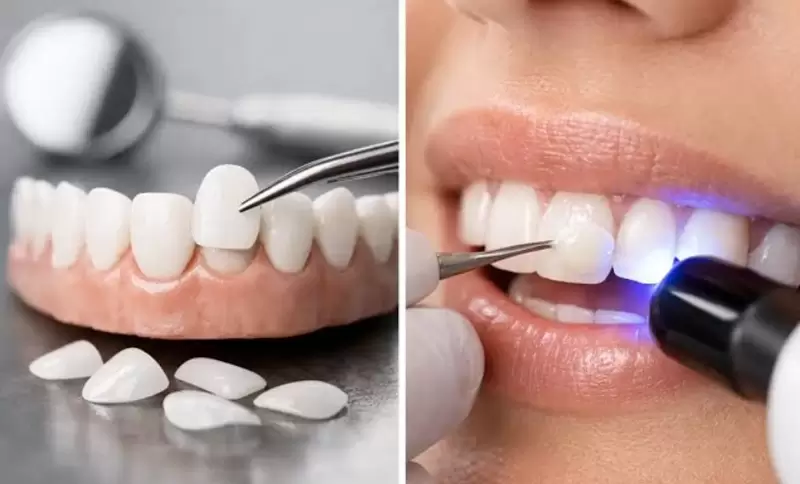
Chipped teeth, gaps, discoloration, and minor misalignment are some of the most common reasons patients ask about cosmetic dentistry. Two of the most popular solutions are dental bonding and veneers, and while they can produce similar-looking results, they work very differently in terms of procedure, cost, durability, and the type of correction they’re best suited for. Understanding those differences can help you have a more informed conversation with your dentist about which option fits your smile, your budget, and your timeline.
What Is Dental Bonding?
Bonding is a procedure in which a tooth-colored, enamel-like composite resin is applied directly to the surface of a tooth. The dentist roughens the tooth surface slightly, applies a bonding agent, then layers on the resin while it’s soft and moldable. Using hand tools, the dentist sculpts the material into the desired shape, hardens it with a curing light, and polishes it until it blends in with the surrounding teeth.
The entire process usually takes 30 to 60 minutes per tooth and rarely requires anesthesia unless bonding is being used to fill a cavity close to a nerve. Because there’s no lab work involved and the material is applied chairside, bonding can typically be completed in a single visit.
Bonding is commonly used to:
- Repair chips, cracks, or minor fractures
- Close small gaps between teeth
- Change the shape or length of a tooth
- Cover discoloration that hasn’t responded to whitening
- Protect a portion of a tooth’s root that has become exposed due to gum recession
What Are Veneers?
Veneers are thin, custom-made shells, typically crafted from porcelain (though composite resin veneers also exist), designed to cover the front surface of a tooth. Unlike bonding, veneers are fabricated outside the mouth and then bonded into place, which means the process generally requires two visits.
At the first appointment, the dentist prepares the tooth by removing a small amount of enamel, usually less than a millimeter, to make room for the veneer and ensure a natural fit. An impression or digital scan of the teeth is taken and sent to a dental lab, where the veneers are custom-made to match the desired shape, size, and shade. Patients typically wear temporary veneers while waiting for the permanent ones.
At the second appointment, the temporary veneers are removed, and the permanent porcelain veneers are checked for fit and color before being permanently bonded to the teeth.
Veneers are often recommended for:
- Teeth that are heavily stained or resistant to whitening treatments
- Correcting the appearance of multiple teeth at once for a more uniform smile
- Longer-lasting correction of tooth shape, size, or minor spacing issues
- Patients seeking a more dramatic, comprehensive smile transformation
Comparing the Two: Key Differences
Durability: Porcelain veneers are stain-resistant and generally last longer than bonding, often 10 to 15 years with proper care. Bonding material, while durable, is more porous and prone to staining and chipping over time, typically lasting 5 to 7 years before it needs to be touched up or replaced.
Cost: Bonding is generally the more budget-friendly option since it uses less material, requires no lab fees, and takes less chair time. Veneers involve custom lab fabrication, which increases the cost per tooth, though many patients find the longer lifespan offsets the higher upfront investment.
Number of Appointments: Bonding can often be completed in a single visit, sometimes in under an hour. Veneers require at least two visits: one for preparation and impressions, and a second for placement of the finished veneer.
Reversibility: Bonding is minimally invasive and doesn’t require significant alteration to the natural tooth, which makes it easier to adjust or remove if needed. Veneers require a small amount of permanent enamel removal, which makes the process less reversible.
Stain Resistance: Porcelain veneers resist staining from coffee, tea, and red wine far better than composite bonding material, which can discolor over time and may need periodic polishing or replacement to stay looking fresh.
Best Suited For: Bonding is ideal for small, isolated repairs, like a single chipped tooth or a minor gap. Veneers are better suited to patients who want a broader, more uniform transformation across several front teeth.
Which Option Is Right for You?
The right choice comes down to a few key questions: How extensive is the correction you need? How long do you want the results to last? And what’s your budget for the procedure?
If you’re dealing with a single chipped tooth, a small gap, or minor discoloration on one or two teeth, bonding is often a fast, affordable solution that delivers noticeable results in one appointment. If you’re looking for a complete smile makeover, want a more permanent and stain-resistant result, or are correcting the appearance of several teeth at once, veneers may be the better long-term investment.
Some patients even combine the two approaches, using veneers for the most visible front teeth and bonding for smaller touch-ups elsewhere in the smile.
Making the Decision With Your Dentist
Photos and general comparisons can only tell you so much. The condition of your enamel, the extent of the discoloration or damage, your bite, and your long-term goals all factor into which option will actually work best for your teeth. That’s why a consultation and a thorough dental exam are the most reliable way to get a recommendation tailored to your smile.
You can also look through before-and-after cases from real patients to see the kind of results both bonding and veneers can achieve.
If you’re ready to explore your options, book an appointment at our Manchester, CT office, and we’ll help you find the right path to the smile you want.