
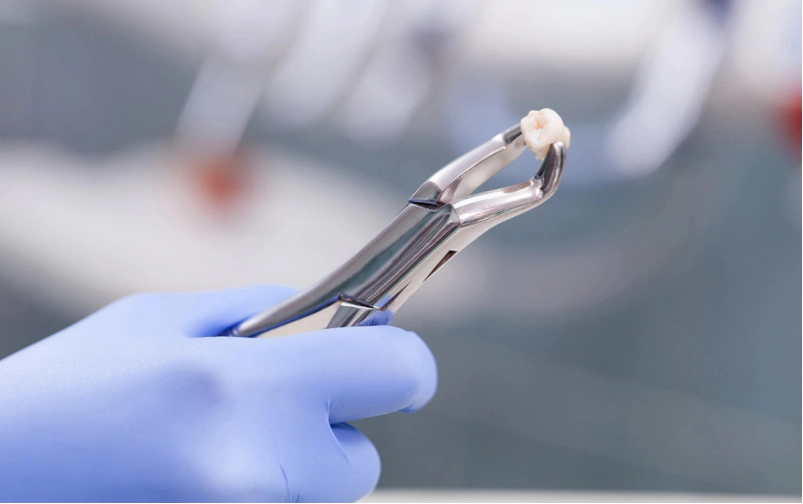
A tooth extraction is one of the most common procedures performed when a tooth is too damaged, decayed, or crowded to be saved with a filling, crown, or root canal. Wisdom teeth, severely fractured teeth, and teeth affected by advanced gum disease are among the most frequent reasons for extraction. Most patients feel some anxiety going into the appointment, but recovery is usually straightforward and predictable when you know what to expect. Here’s a detailed breakdown of the first two days after an extraction and how to care for yourself during that window.
Immediately After the Procedure
Once the tooth is removed, the socket needs time to begin forming a blood clot, which is the foundation of the healing process. Your dentist will place a folded gauze pad directly over the extraction site and instruct you to bite down with steady, firm pressure for 30 to 45 minutes. If bleeding continues past that point, replace the gauze with a fresh pad and continue biting down for another 30 minutes.
You’ll likely still be numb from the local anesthetic for a few hours after leaving the office. Be careful not to chew on the numb side of your mouth or bite your cheek or tongue without realizing it.
The First 24 Hours
Protect the blood clot. This is the single most important thing to focus on early in recovery. Avoid rinsing, spitting forcefully, using a straw, or smoking for at least 24 hours. Any of these actions can dislodge the clot and lead to a painful condition called dry socket, which significantly delays healing and often requires a follow-up visit.
Manage swelling with ice. Apply an ice pack or a cold compress to the outside of your cheek near the extraction site in 15 to 20 minute intervals, with equal breaks in between. This is most effective during the first 24 hours, when swelling is at its peak.
Take pain medication as directed. Over-the-counter options like ibuprofen or acetaminophen are often sufficient for managing discomfort, though your dentist may prescribe something stronger for more involved extractions, such as impacted wisdom teeth. It helps to take the first dose before the numbness from the anesthetic fully wears off, so you’re not playing catch-up with pain.
Eat soft, cool foods only. Stick to foods that require no chewing near the extraction site: yogurt, applesauce, mashed potatoes, smoothies (without a straw), and lukewarm soup. Avoid anything hot, as heat can increase bleeding and swelling.
Rest and keep your head elevated. Physical exertion raises blood pressure, which can increase bleeding at the extraction site. Plan to take it easy for the remainder of the day, and prop your head up with an extra pillow when lying down or sleeping.
Don’t smoke or use tobacco products. Beyond the general health risks, the suction from smoking and the chemicals in tobacco significantly raise the risk of dry socket and slow healing.
Hours 24 to 48
Begin gentle salt water rinses. After the first full day, you can start rinsing gently with warm salt water, about half a teaspoon of salt dissolved in a cup of warm water, several times a day and especially after meals. This helps keep the socket clean without disturbing the healing clot. Avoid commercial mouthwash with alcohol during this period, as it can irritate the tissue.
Continue with soft foods, but you can expand your options slightly. Scrambled eggs, oatmeal, well-cooked pasta, and soft-cooked vegetables are generally fine as long as you chew away from the extraction site. Continue avoiding anything crunchy, chewy, spicy, or acidic.
Resume brushing carefully. You can go back to brushing your teeth as normal, but be gentle around the extraction site and avoid direct contact with the area for the first several days.
Expect gradual improvement, not sudden relief. Mild swelling, slight oozing of blood, and tenderness are all normal during this window. Swelling often peaks around the second day before it starts to subside, and discomfort should be manageable with medication rather than worsening.
What’s Normal vs. What’s a Warning Sign
Normal during the first 48 hours:
- Mild to moderate swelling that peaks around day two
- Slight bleeding or oozing, especially the first day
- Soreness or tenderness around the jaw
- Minor bruising on the cheek
Contact your dentist if you experience:
- Severe pain that worsens instead of improving after the second day
- Bleeding that won’t slow down even with firm gauze pressure
- A fever, or swelling that continues to increase rather than plateau
- A persistent bad taste or foul odor coming from the socket
- Visible bone in the socket or a socket that appears empty (a possible sign of dry socket)
These symptoms can indicate infection or dry socket, both of which are treatable but should be addressed promptly rather than waiting them out.
Looking Ahead: Beyond the First 48 Hours
For most patients, the worst of the swelling and discomfort subsides by day three or four, with full soft-tissue healing typically taking one to two weeks. If the extraction was done to make room for an implant, denture, or bridge, your dentist will let you know when it’s appropriate to begin the next phase of treatment.
A Smooth Recovery Starts With the Right Team
Dental procedures, especially extractions, can feel intimidating, which is why our team focuses on making every visit as comfortable as possible from consultation through recovery. If you have questions during your healing process or notice anything that doesn’t seem right, contact us and we’ll help you figure out the next steps. If you’re a new patient preparing for an upcoming visit, you can also fill out our new patient form ahead of time.