
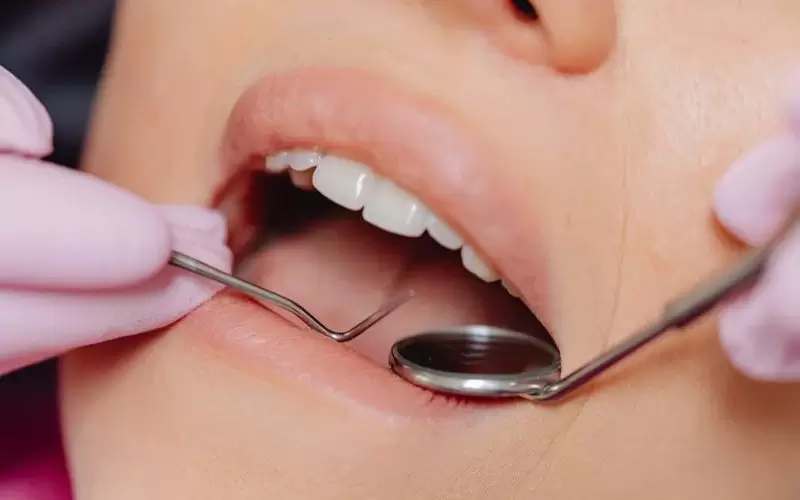
Your dentist says the words deep dental cleaning at the end of your appointment, and you nod along, but inside you are wondering what that actually means for you. A longer version of your usual cleaning? Something more serious? Honestly, it is a bit of both, and there is a real difference worth understanding before you decide whether to book it or put it off.
A deep dental cleaning, which most dental offices call scaling and root planing, targets your gum tissue and the roots of your teeth rather than just the surface you can see in the mirror. It comes into the picture once plaque and tartar have worked their way below the gumline, somewhere a regular cleaning was never built to reach. So how do you know if that is where you are at? Let us go through the signs, what the appointment actually involves, and how it stacks up against your standard six-month cleaning.
What Makes a Deep Dental Cleaning Different from a Regular One?
Think of a regular cleaning as maintenance for what is visible and easy to reach. Your hygienist clears off surface plaque and light tartar above the gumline, polishes things up, and you are done in under an hour. A deep dental cleaning is a different job entirely. It goes underneath the gumline, into the space where bacteria and hardened tartar have had time to settle in, usually once small pockets have started forming between your teeth and gums. During scaling and root planing, your dentist or hygienist clears that buildup away and smooths out the tooth root itself, which gives your gum tissue an actual chance to reattach and heal rather than staying irritated. This is not something dentists suggest for healthy gums. It comes up specifically when there is early or moderate gum disease already underway.The Signs That Usually Point to Needing a Deep Cleaning
A handful of symptoms tend to show up before this conversation happens at your dentist’s office, and catching them early genuinely changes how manageable things stay.- Your gums bleed when you brush or floss, even gently
- Gums look redder or more swollen than usual, or feel tender
- Bad breath sticks around no matter how often you brush
- There is a bad taste in your mouth that keeps returning
- One or two teeth feel a little loose, or seem to have shifted
- Your gums look like they are pulling back, making teeth appear longer
- You can see or feel tartar building up right at the gumline