
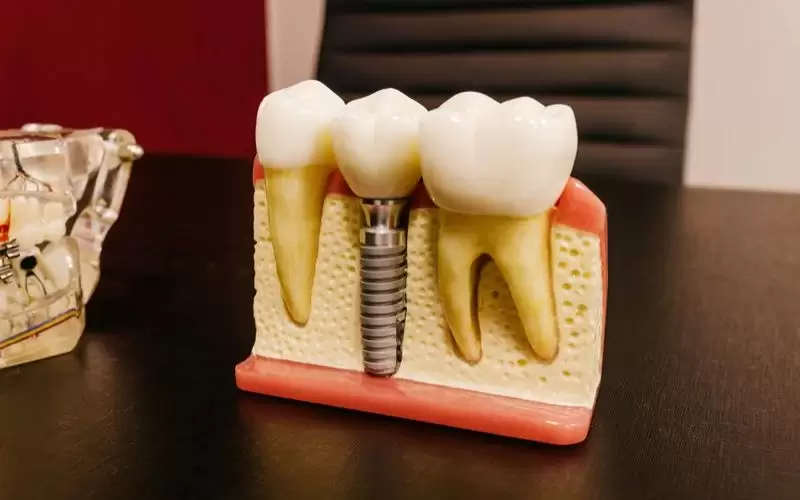
If you are thinking about a dental implant, chances are one question is sitting right near the top of your list. How long is this thing going to last? It is a fair thing to wonder. Implants are a real investment of time, comfort, and money, and nobody wants to go through the process only to repeat it a few years later.
The honest answer is that there is no single number that fits everyone. Many implants stay in place for years, and some last for decades, but a lot depends on the person, the mouth, and the habits that come with them. Let’s break down what influences how long dental implants last, and what you can do to give yours the best possible chance.
So, How Long Do Dental Implants Typically Last?
Dental implants are designed to be a long-term tooth replacement option. Research has shown that, with proper care, many implants remain functional for 10 to 15 years or more, and plenty of people keep theirs much longer. Some reports describe success rates that remain strong over long periods.
That said, it helps to separate the parts. The implant itself is the small post placed in the jawbone, and it can last a very long time when the surrounding bone and gums stay healthy. The crown on top, which is the visible tooth, takes the daily wear of chewing and may need to be replaced sooner, often after a decade or so, depending on materials and use.
No dentist can promise exactly how long your implant will last. What they can do is look at your health, your bone, and your habits, and help you understand what is realistic.
What Factors Affect How Long Dental Implants Last?
Think of an implant like a fence post set into the ground. How long it stands depends on the soil it is set in, the weather it faces, and how well it is maintained. For implants, the big influences usually include the following.
- Bone quality and quantity: The implant needs solid bone to anchor into. If the jawbone is thin or weak, additional steps like bone grafting may be recommended to build support.
- Gum health: Healthy gums protect the bone beneath them. Gum disease around an implant can threaten its stability over time.
- Oral hygiene habits: Daily brushing and cleaning between teeth help keep harmful bacteria from building up around the implant.
- Overall health: Conditions such as uncontrolled diabetes or autoimmune disorders may influence healing and long-term outcomes. Your dentist will review your medical history.
- Lifestyle choices: Smoking and tobacco use are linked to higher implant complication risks.
- Bite forces: Heavy grinding or clenching can place extra stress on an implant and its crown.
- Quality of the procedure and materials: Careful planning, precise placement, and well-made components all contribute to long-term stability.
Can Gum Disease Cause Dental Implants to Fail?
Yes, it can contribute, which surprises many people. Implants cannot get cavities, but the tissue around them can become inflamed. This is often called peri-implant disease. It begins as peri-implant mucositis, which is inflammation of the gums around the implant. If left unaddressed, it may progress to peri-implantitis, where the supporting bone begins to break down.
Warning signs to watch for include:
- Red, swollen, or tender gums near the implant
- Bleeding when brushing or flossing
- A bad taste or persistent odor
- Gums pulling away from the implant
- A feeling that the implant is loose
- Pain when chewing
If you notice any of these, call your dentist rather than waiting. Early attention often gives treatment the best chance to be effective.
Does Smoking Shorten the Life of a Dental Implant?
Smoking is one of the most frequently discussed risk factors. Tobacco can reduce blood flow to the gums and slow healing, which may make it harder for the bone to bond with the implant and harder for the area to fight infection.
If you smoke, it does not automatically mean you cannot get an implant. It does mean your dentist may talk with you about cutting back or quitting before and after the procedure. Even small steps can help your mouth heal better.
How Does Teeth Grinding Affect Implant Longevity?
Many people grind or clench their teeth at night without ever knowing. Natural teeth have a tiny bit of flexibility thanks to the ligament that surrounds them. Implants do not, so they absorb pressure differently.
Over time, that extra force may stress the crown, the connector piece, or the implant itself. Signs of grinding include flattened tooth edges, jaw soreness, and morning headaches. If your dentist suspects you grind, a custom nightguard may be suggested to help protect your dental work.
What Daily Habits Help Dental Implants Last Longer?
Here is the encouraging part. Much of what supports your implant is simple and within your control.
- Brush twice a day: Use a soft-bristled toothbrush and a non-abrasive toothpaste.
- Clean between your teeth daily: Floss designed for implants, interdental brushes, or a water flosser can help reach around the base.
- Avoid chewing hard objects: Ice, hard candy, and pen caps can chip crowns.
- Limit sugary and acidic foods: These support the bacteria that irritate gums.
- Stay hydrated: A moist mouth helps naturally rinse away debris.
- Skip tobacco: Your gums and bone will thank you.
- Wear a nightguard if advised: It can help absorb the pressure from grinding.
How Often Should You See the Dentist After Getting an Implant?
Regular checkups are among the best protections for your implant. Many dentists recommend visits about every six months, though people with a history of gum disease may need more frequent care.
During these appointments, your dental team can:
- Examine the gums around the implant for early signs of inflammation
- Take X-rays to monitor the bone level
- Check how the crown fits and how your bite lines up
- Clean areas you cannot easily reach at home
- Spot grinding or wear before it becomes a bigger problem
Think of it like routine maintenance on anything valuable. Small catches early tend to be easier to manage.
What Happens If a Dental Implant or Crown Wears Out?
Even well-cared-for implants can run into issues over time, and that is not a personal failure. If a crown wears down, chips, or becomes loose, it can often be replaced without removing the implant. If the implant itself develops a problem, your dentist can evaluate options, which may include treating gum infection, grafting, or in some cases, replacement.
The key is acting early. If something feels off, such as a wobble, pain, or swelling, let your dental office know right away.
Why Choose Manchester Dental Arts for Dental Implant Care?
Deciding on an implant is a big step, and you deserve a team that takes time to explain things clearly. At Manchester Dental Arts, patients can talk through their goals, ask questions about longevity, and learn what steps may help protect their smile for years to come. Manchester Dental Arts focuses on thoughtful planning and ongoing support, so you do not feel left on your own after treatment.
Schedule a Dental Implant Consultation With Manchester Dental Arts
If you are considering a dental implant, or you already have one and want to make sure it stays healthy, a conversation with your dental team is a great place to start. Understanding your own mouth makes all the difference.
Call Manchester Dental Arts today to book your consultation. The team at Manchester Dental Arts is ready to answer your questions, review your options, and help you plan for a smile that feels comfortable for the long run.
Frequently Asked Questions About How Long Dental Implants Last
Q: How many years do dental implants usually last?
A: Many implants last 10 to 15 years or longer with good care, and some last for decades. The crown may need replacement sooner than the implant post. Individual results vary.
Q: Do dental implants ever need to be replaced?
A: They can. Issues such as gum infection, bone loss, or excessive wear may require treatment or replacement. Early detection often makes problems easier to manage.
Q: Can I get cavities on a dental implant?
A: The implant itself cannot decay, but the gums and bone around it can still be affected by infection or inflammation. Good cleaning habits remain important.
Q: Is it painful when an implant starts to fail?
A: Not always. Some people notice pain, swelling, or looseness, while others have few symptoms early on. Regular checkups help catch changes before they become noticeable.
Q: Do dental implants last longer than bridges or dentures?
A: Implants are often considered a long-term option, and many last longer than bridges or dentures on average. The best choice depends on your health, bone, and goals.
Q: Can older adults get dental implants?
A: Age alone is not usually the deciding factor. General health, bone support, and healing ability matter more. Your dentist can evaluate whether implants may be appropriate.
Q: What can I do right now to help my implant last?
A: Keep up with daily brushing and cleaning between teeth, avoid tobacco, wear a nightguard if recommended, and attend regular dental visits.