
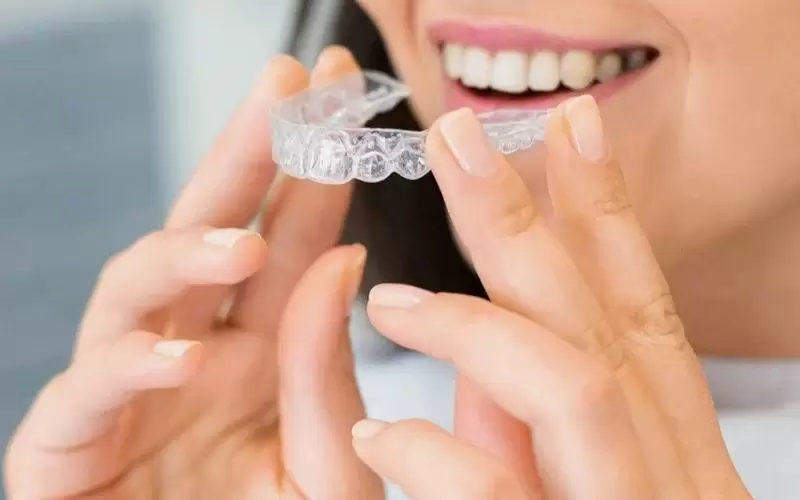
When most people hear the word Invisalign, they picture one thing: straighter teeth. And that is a fair assumption, since straightening crooked teeth is the reason most patients start looking into clear aligners in the first place. But if you have ever sat through a consultation and heard your dentist mention your bite, your jaw, or even your gums while talking about Invisalign, you may have wondered whether there is more to this treatment than a nicer smile in photos.
There is. Invisalign was designed around gradually repositioning teeth, and because teeth do not exist in isolation, moving them tends to have a ripple effect on other parts of your mouth. This does not mean Invisalign is a cure for every dental issue, and it is important to be realistic about what it can and cannot address. But for many patients, treating crooked teeth with Invisalign ends up improving more than they expected.
How Does Invisalign Actually Work to Straighten Teeth?
Invisalign uses a series of custom-made, clear aligners that apply gentle, consistent pressure to shift teeth into a more favorable position over time. Each aligner in the series is worn for one to two weeks before being swapped for the next, gradually guiding your teeth along a path your dentist has planned out in advance using digital scans.
Unlike traditional metal braces, which use fixed brackets and wires, Invisalign aligners are removable, which many patients appreciate for eating, brushing, and general day-to-day comfort. The treatment is primarily associated with correcting crooked, gapped, or crowded teeth, but the mechanics involved can influence more than just the front-facing appearance of your smile.
Can Invisalign Help with Bite Problems Like Overbites and Underbites?
Yes, in many cases. An overbite, underbite, or crossbite is not just a cosmetic quirk. It reflects how your upper and lower teeth meet when you close your mouth, and when that relationship is off, it can affect chewing efficiency and put uneven pressure on certain teeth over time. Invisalign clear aligners are often used to gradually correct mild to moderate bite discrepancies, moving teeth into a position where the bite functions more evenly.
That said, not every bite issue is suited to aligner treatment alone. More significant jaw discrepancies may need a combination of approaches, and this is something your dentist or orthodontist will assess during your consultation rather than promise a fix for from the outset.
Does Invisalign Help with Jaw Pain or TMJ Symptoms?
This is one of the more surprising connections patients ask about. Jaw discomfort, clicking, or general TMJ related tension is sometimes linked to how the teeth meet and how the jaw muscles compensate for that alignment. When Invisalign gradually shifts teeth into a more balanced bite, some patients report a reduction in jaw tension as a result.
It is worth being clear here: Invisalign is not marketed or intended as a specific treatment for TMJ disorders, and results vary from person to person depending on the underlying cause of the discomfort. If jaw pain is a primary concern, it is best raised directly with your dentist so it can be properly assessed alongside any orthodontic plan.
Can Straighter Teeth from Invisalign Improve Gum Health?
Crowded or overlapping teeth create tight spaces that are genuinely harder to clean, even with a good brushing and flossing routine. Plaque tends to build up in those hard-to-reach areas, which over time can contribute to gum inflammation or early gum disease. By spreading teeth into more even positions, Invisalign can make daily cleaning noticeably more manageable, which in turn supports better long-term gum health.
This is not an automatic guarantee of healthier gums, since consistent oral hygiene still plays the biggest role. But for patients who have struggled to keep crowded teeth clean, straighter alignment tends to make good habits easier to maintain.
Does Invisalign Reduce the Risk of Uneven Tooth Wear?
When teeth are misaligned, certain teeth can end up absorbing more pressure than others every time you bite or chew, sometimes leading to uneven wear, chipping, or sensitivity over the years. Correcting alignment with Invisalign can help distribute that bite force more evenly across your teeth, which may reduce the likelihood of this kind of gradual wear continuing unchecked.
Is Invisalign Right for Adults Looking for More Than Cosmetic Results?
Invisalign has become popular with adults precisely because it addresses appearance and function together, without the visible look of traditional metal braces. Many adult patients come in primarily concerned about how their smile looks, only to find that improved chewing comfort, easier cleaning, and reduced tension are welcome side benefits of treatment.
If you are considering Invisalign for reasons beyond straightening crooked teeth, whether that is bite discomfort, cleaning difficulties, or general jaw tension, a proper evaluation is the best starting point. Your dentist can review your teeth, jaw, and bite pattern to give you a realistic sense of what Invisalign may help with in your specific case.
Ready to Explore Invisalign Beyond Straight Teeth?
Invisalign can offer benefits that go well beyond a straighter-looking smile, from a more balanced bite to easier daily cleaning and potentially less jaw tension. If you are curious whether Invisalign could help with more than just crooked teeth in your own case, the team at Manchester Dental Arts is ready to walk you through a personalized evaluation. Reach out to Manchester Dental Arts today to schedule your Invisalign consultation and find out what a straighter, more comfortable bite could mean for you.
Frequently Asked Questions About Invisalign and Its Benefits
Q: Does Invisalign only work on minor cosmetic issues?
A: No. While Invisalign is widely used for mild to moderate crowding and spacing, it can also help address certain bite irregularities, depending on the complexity of the case as assessed by your dentist.
Q: How long does Invisalign treatment typically take?
A: Treatment length varies from person to person, but many cases are completed within twelve to eighteen months. Your dentist can give you a more specific estimate after reviewing your teeth and bite.
Q: Will Invisalign fix jaw clicking or TMJ discomfort completely?
A: Invisalign is not designed specifically to treat TMJ disorders, and results vary. Some patients notice reduced tension as their bite improves, but jaw related symptoms should always be evaluated individually.
Q: Can Invisalign help if my teeth are crowded and hard to clean?
A: Yes. Spreading out crowded teeth generally makes brushing and flossing more effective, which can support better gum health over time when combined with consistent oral hygiene.
Q: Is Invisalign suitable for adults with more complex bite issues?
A: Many adults do use Invisalign successfully for bite correction, though more complex cases may require additional evaluation or a combination of treatments.
Q: How do I know if Invisalign is right for me?
A: The best way to find out is through a consultation, where your dentist can examine your teeth, gums, and bite to recommend a treatment plan suited to your individual needs.